
Isoptin

Isoptin
- In our pharmacy, you can buy Isoptin without a prescription, with delivery in 5–14 days throughout Australia. Discreet and anonymous packaging.
- Isoptin is used for the treatment of hypertension, chronic angina, and arrhythmias. The drug works as a calcium channel blocker, reducing the heart’s workload and lowering blood pressure.
- The usual dose of Isoptin for adults is 80–120 mg 3 times a day for hypertension or chronic angina, or 180 mg SR 2 times a day, with a maximum daily dose of up to 480 mg.
- The form of administration is a tablet or injectable solution.
- The effect of the medication begins within 30–60 minutes.
- The duration of action is approximately 6–8 hours for immediate release forms and up to 12–24 hours for sustained-release forms.
- It is advised to avoid alcohol while taking Isoptin.
- The most common side effect is constipation.
- Would you like to try Isoptin without a prescription?
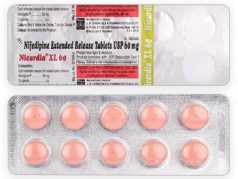
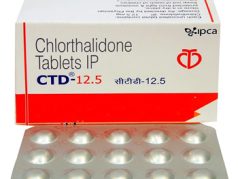
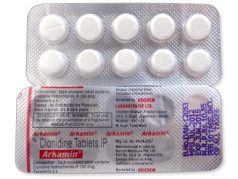
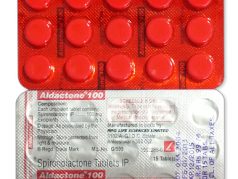
Basic Isoptin Information
- International Nonproprietary Name (INN): Verapamil
- Brand names available in Australia: Isoptin, Isoptin SR
- ATC Code: C08DA01
- Forms & dosages: Tablets (40 mg, 80 mg, 120 mg, 180 mg), sustained-release tablets (120 mg, 180 mg, 240 mg), injectable solutions (2.5 mg/ml)
- Manufacturers in Australia: Abbott, SANDOZ, TEVA, and others
- Registration status in Australia: Approved by TGA
- OTC / Rx classification: Prescription Only
National Pharmacy Chains
Isoptin, containing verapamil, is readily available at major Australian pharmacy chains such as Chemist Warehouse, Priceline, and TerryWhite. These retailers stock various forms, including both immediate and sustained-release options to cater to diverse patient needs. Pricing strategies differ among the chains, often featuring frequent discounts that enhance accessibility for consumers.
Online Pharmacy Trends in Australia
The rise of online pharmacies in Australia has entirely transformed how patients access Isoptin. Platforms that offer telehealth consultations enable prescriptions that are directly linked to e-pharmacies. This modern approach significantly improves convenience for both urban and rural patients alike. Furthermore, these services often provide competitive pricing, which aligns with the increasing demand for digital healthcare solutions, allowing seamless access to necessary medications.
Price Ranges by Package Size
Under the Pharmaceutical Benefits Scheme (PBS), Isoptin prices vary based on formulation and packaging. For instance, the cost for 30 to 100 tablets of Isoptin typically ranges from $35 to $70. Prices at private pharmacies, however, may be higher, often reflecting the need for out-of-pocket expenses for consumers who purchase without a prescription. This price variability highlights the importance of checking both PBS listings and private pharmacy prices to find the best option available.
How It Works in the Body
Isoptin is a well-known medication that tackles various cardiovascular issues. It's particularly useful in treating hypertension and angina. Curious about how it functions? Essentially, Isoptin relaxes blood vessels and eases the heart's workload. By falling under a class of drugs known as calcium channel blockers, it prevents calcium from entering the cells of the heart and blood vessels. This action relaxes muscle tension, subsequently lowering blood pressure. As a result, it helps the heart pump more efficiently and alleviates chest pain associated with angina.
Clinical Detail
Diving deeper into the clinical workings, Isoptin inhibits calcium ion influx into vascular smooth muscle and cardiac cells. This inhibition leads to decreased peripheral vascular resistance and reduced cardiac output, especially beneficial for angina episodes. By alleviating myocardial workload, Isoptin enhances oxygen delivery to the heart muscle, which can significantly reduce the frequency and intensity of angina attacks. Furthermore, Isoptin plays a role in managing heart rhythms in tachyarrhythmias by slowing electrical conduction through the atrioventricular (AV) node. This functionality aids in improving patient outcomes in arrhythmia management, making Isoptin a crucial therapeutic agent.
Dosage & Administration
Getting the dosages right is vital when prescribing Isoptin. The standard initial dose for treating hypertension and chronic angina typically falls between 80 to 120 mg, administered three times daily if using immediate-release formulations. For sustained-release versions, dosages may start at 180 mg, taken twice daily. If managing arrhythmias, the starting doses remain similar but may require adjustments based on individual patient response and tolerance.
Adjustments by Patient Type
Adjustments are essential for certain patient populations to ensure safety and efficacy. The elderly are particularly sensitive to the effects of Isoptin and may need to start with lower initial doses due to potential side effects like bradycardia and hypotension. For children, Isoptin is often administered via IV for specific arrhythmias; this necessitates weight-based dosage adjustments. Patients with liver issues should begin with reduced doses due to slowed elimination, while those with kidney problems might need careful monitoring instead of direct dosage changes. Consulting healthcare professionals to tailor Isoptin regimens maximises both therapeutic efficacy and safety.
Contraindications & Side Effects
Isoptin isn’t right for everyone. Absolute contraindications include severe hypotension (with systolic blood pressure below 90 mmHg), AV block unless the patient has a pacemaker, and significant heart failure. Additionally, anyone with a known hypersensitivity to verapamil or its ingredients should steer clear of Isoptin to avoid serious health risks.
Rare But Serious Side Effects
Although generally well tolerated, Isoptin can lead to severe side effects in rare instances. Reports from Australian safety data highlight concerns such as severe bradycardia, hypotension, or even AV block, which can result in cardiac arrest. Some patients might also experience elevated liver enzymes or allergic reactions, necessitating immediate medical intervention. Continuous monitoring for side effects is particularly critical in older patients and those with underlying health conditions. Quick reporting of any unexpected symptoms can facilitate timely support and management.
Comparable Medicines
When it comes to alternatives, several comparable medications exist in both the Pharmaceutical Benefits Scheme (PBS) and non-PBS categories. An overview of alternatives includes:
| Medicine | Class | Indication |
|---|---|---|
| Diltiazem | Calcium channel blocker | Hypertension, Angina |
| Amlodipine | Calcium channel blocker | Hypertension, Angina |
| Atenolol | Beta-blocker | Hypertension, Heart rate control |
| Bisoprolol | Beta-blocker | Hypertension, Heart failure |
Pros and Cons
- Pros of Isoptin: Effective for various cardiovascular conditions and adherence is enhanced with sustained-release formulations.
- Cons of Isoptin: Common side effects may deter some patients from use, and certain contraindications can limit eligibility.
Alternative medications can yield similar benefits, yet they may differ in side effects and contraindications. This variability makes it crucial for healthcare providers to personalise their recommendations based on each patient's unique profile.
Current Research & Trends
Understanding the evolving landscape of Isoptin research is crucial for both patients and healthcare professionals. Recent studies have highlighted the medication's effectiveness in managing cardiovascular issues, particularly among patients living with diabetes and other related conditions.
New insights reveal that Isoptin works best when combined with lifestyle modifications such as diet and exercise, leading to better management of hypertension and overall cardiovascular health.
The exciting news doesn't stop there; ongoing clinical trials are exploring Isoptin's additional benefits in managing anxiety and migraines. Such developments signify a broadening perspective on Isoptin's therapeutic applications within contemporary healthcare frameworks.
Major Studies 2022–2025 (Australia + International)
The period from 2022 to 2025 has seen a surge in studies focusing on Isoptin, particularly in Australia and the United States. These research initiatives delve into various facets, including its role in integrating lifestyle factors that influence medication effectiveness in hypertensive patients.
One notable aspect is the investigation into how lifestyle modifications can complement Isoptin treatment. Findings suggest improvements in patient outcomes when Isoptin is paired with healthy living practices.
Moreover, clinical trials are currently assessing the potential of verapamil, the active ingredient in Isoptin, for alleviating anxiety and treating migraines. This shift in research focus signifies a growing recognition of Isoptin's potential beyond cardiovascular applications.
Such explorative studies underscore the necessity for healthcare professionals to stay updated on the latest trends surrounding Isoptin, ensuring they offer well-informed treatment options. As more evidence comes to light, Isoptin may redefine its place in holistic patient care strategies.
| City | Region | Delivery Time |
|---|---|---|
| Sydney | New South Wales | 5–7 days |
| Melbourne | Victoria | 5–7 days |
| Brisbane | Queensland | 5–7 days |
| Perth | Western Australia | 5–7 days |
| Adelaide | South Australia | 5–7 days |
| Hobart | Tasmania | 5–9 days |
| Canberra | Australian Capital Territory | 5–7 days |
| Gold Coast | Queensland | 5–9 days |
| Newcastle | New South Wales | 5–9 days |
| Cairns | Queensland | 5–9 days |
| Wollongong | New South Wales | 5–9 days |
| Geelong | Victoria | 5–9 days |
| Sunshine Coast | Queensland | 5–9 days |
| Townsville | Queensland | 5–9 days |