
Namenda

Namenda
- In our pharmacy, you can buy Namenda without a prescription, with delivery in 5–14 days throughout Australia. Discreet and anonymous packaging.
- Namenda is intended for the treatment of moderate to severe Alzheimer’s disease. The drug acts as an N-methyl-D-aspartate (NMDA) receptor antagonist, helping to regulate glutamate activity in the brain.
- The usual dose of Namenda is 10 mg twice daily, with a possible starting dose of 5 mg once daily.
- The form of administration is a tablet.
- The effect of the medication begins within 1–2 hours.
- The duration of action is approximately 24 hours.
- Do not consume alcohol.
- The most common side effect is dizziness.
- Would you like to try Namenda without a prescription?


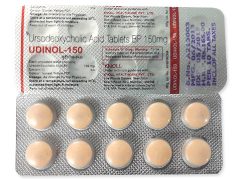


Basic Namenda Information
- INN (International Nonproprietary Name): Memantine
- Brand names available in Australia: Ebixa, GenRx Memantine
- ATC Code: N06DX01
- Forms & dosages: Tablets (10mg), Oral solution (10mg/mL)
- Manufacturers in Australia: Lundbeck, GenRx
- Registration status in Australia: Prescription only
- OTC / Rx classification: Prescription only
Availability & Price Landscape
The availability and pricing of Namenda (memantine) in Australia varies across different pharmacy chains and platforms.National Pharmacy Chains
Major Australian pharmacies like Chemist Warehouse, Priceline, and TerryWhite provide a comprehensive distribution network for memantine. These retailers often stock various forms including **Ebixa** and **GenRx Memantine**, typically found in 10mg tablet packs. Pricing strategies differ among these chains, with Chemist Warehouse generally offering competitive rates due to their bulk buying practices. Priceline and TerryWhite also maintain reasonable pricing, ensuring that access is somewhat standardised across the country. This competitive landscape allows consumers to search for the best price on memantine easily, enhancing affordability and maximising accessibility for those in need.Online Pharmacy Trends in Australia
The surge of online pharmacies during the COVID-19 pandemic has provided increased access to memantine products. Exemplifying the shift towards digital healthcare, many patients can now conveniently order memantine through trusted online platforms. This trend has significantly broadened access, particularly for individuals living in remote areas or those unable to visit physical pharmacy locations. Offering competitive delivery options, these pharmacies also address economic concerns by often providing lower prices compared to traditional outlets. Online platforms have thus played a pivotal role in maintaining the continuity of care for patients requiring memantine, as the demand for flexible healthcare solutions continues to rise.Price Ranges by Package Size (PBS vs Private)
Memantine pricing in Australia showcases a divide between public and private costs. Under the **Pharmaceutical Benefits Scheme (PBS)**, patients may affordably access memantine, with subsidised costs typically ranging from **$6 to $40**, depending on their prescription status and health coverage. In contrast, those without PBS eligibility might encounter prices exceeding **$100** for a similar quantity. This distinction highlights the importance of PBS for ensuring equitable access to essential medications. From a private insurance perspective, costs may vary. While private insurance can offset some expenses, out-of-pocket costs remain a consideration for many patients. - **Typical package details include:** - Tablets: 10mg - Pricing under PBS: approximately **$6 – $40** - Private market price: can exceed **$100** Understanding these pricing landscapes is crucial for patients and families in managing expenses related to memantine, ensuring better-informed choices when seeking treatment options.Dosage & Administration
Standard regimens
Memantine, known by its brand name Namenda, is used in treating moderate to severe Alzheimer's disease. Following TGA guidelines, the standard regimen typically involves initiating treatment with a dose of 5 mg once daily. This is considered a safe starting point for most adults.
The dosing can be increased by 5 mg increments weekly, reaching a maintenance dose of 10 mg twice daily, translating to a maximum dose of 20 mg per day. For extended-release formulations, such as Namenda XR, therapy begins at 7 mg once daily, which can be escalated by 7 mg weekly, allowing a peak dosage of 28 mg once daily.
This gradual titration helps to monitor patient tolerance and effectiveness while aiming for optimal therapeutic outcomes.
Adjustments by patient type
Tailoring memantine dosages is crucial, especially in vulnerable populations like the elderly and those suffering from chronic conditions. For elderly patients, standard doses may remain applicable, but close monitoring of renal function is advised, as age can affect metabolism.
When it comes to chronic conditions, particularly renal impairment, adjustments are more definitive. In cases of severe renal limitations, the maximum advisable dose is reduced to 5 mg twice daily.
Patients with hepatic issues should also be observed closely; while no concrete adjustments are defined, caution is advised due to potential increases in drug prevalence in such situations.
Contraindications & Side Effects
Common
Generally, memantine is well tolerated, but some users report common side effects. These may include:
- Dizziness
- Headache
- Constipation
- Confusion
- Hypertension
- Fatigue
- Back pain
- Cough
These side effects are typically mild to moderate. Managing them often involves additional patient education, lifestyle adjustments, or symptomatic treatment options as needed, ensuring a supportive environment for optimal outcomes.
Rare but serious
While uncommon, memantine can also lead to serious adverse effects, which have been reported in Australian safety data. Significant caution should be exercised in monitoring for:
- Severe renal impairment
- Severe allergic reactions
- Seizures
Patients should be observed regularly, especially if there’s a history of these conditions. Regular check-ups are important for detecting any potential issues early on.
Comparable Medicines
Alternatives table
| Medicine | PBS Status | Pros | Cons |
|---|---|---|---|
| Donepezil (Aricept) | PBS | Effective for mild to moderate dementia | May cause gastrointestinal issues |
| Rivastigmine (Exelon) | PBS | Available in patch form | Potential for nausea and vomiting |
| Galantamine (Reminyl) | PBS | Works on multiple pathways | Possible weight loss |
| Memantine/Donepezil (Namzaric) | PBS | Combination therapy | Higher risk of side effects |
| Other off-label options | Non-PBS | Flexibility in treatment | Uncertain efficacy |
Pros and cons list
When weighing memantine against other dementia treatments, it's essential to consider:
- Pros: Memantine acts specifically as an NMDA receptor antagonist, often with fewer side effects than AChE inhibitors.
- Cons: Memantine may be less effective in the early stages of Alzheimer's compared to other medications like Donepezil.
Ultimately, healthcare professionals need to assess each patient's individual circumstances when making recommendations.
Current Research & Trends
Major studies 2022–2025
Ongoing and recent clinical studies focusing on memantine are offering exciting insights into innovative treatment practices. Notably, research in both Australia and internationally has been exploring multidimensional approaches, including combination therapies and patient-centered care strategies.
Studies are also investigating the long-term impacts of memantine on cognition and quality of life. Advances in understanding the drug's mechanism further pave the way for potential new indications and enhanced treatment protocols. Continuous research and data collection remain crucial in optimising Alzheimer's management and ensuring better outcomes for patients globally.
Common Patient Questions
FAQs from Australian pharmacy consultations
Patients frequently have questions about memantine, particularly regarding:
- Usage: How long does it take for memantine to work?
- Side effects: What should I do if I experience dizziness?
- Treatment expectations: How will I know if the medication is working?
Addressing these concerns with clear, straightforward information can help alleviate anxieties, leading to better adherence to medication regimens. Engaging with patients about their experiences with memantine can foster a collaborative approach towards dementia care.
Regulatory Status
TGA approval
The Therapeutic Goods Administration (TGA) oversees the regulation of medications in Australia, including memantine, marketed under the brand name Namenda. Memantine has been subject to a rigorous evaluation process to ensure its safety and efficacy for dementia treatment, primarily Alzheimer's disease. As of late 2023, the TGA continues to uphold strict standards for clinical trials and drug approval. Recent updates in legislation have seen an increased emphasis on the monitoring of medications post-approval, ensuring better patient outcomes. Healthcare providers and pharmacists must stay informed about any adjustments to these regulatory frameworks to maintain compliance and provide optimal care to their patients.
PBS subsidy details
The Pharmaceutical Benefits Scheme (PBS) plays a fundamental role in making memantine accessible to Australians. This subsidy allows eligible patients to receive memantine at a significantly reduced cost. To qualify, patients generally need to demonstrate a specific diagnosis of moderate to severe Alzheimer's disease and obtain a prescription from a registered healthcare provider. Pharmacists must navigate the PBS guidelines to ensure that they dispense this medication correctly. Regular reviews of eligibility criteria ensure that the PBS evolves with the changing healthcare landscape, providing support for those in greatest need.
Visual Recommendations
Infographics: PBS pricing, pharmacy networks
Visual aids such as infographics can significantly enhance comprehension about memantine's financial and accessibility aspects. Including infographics that detail PBS pricing scenarios allows patients and caregivers to understand potential costs better. Additionally, showcasing pharmacy networks can provide a clear view of where memantine is available, ensuring that both urban and rural residents can have efficient access. This visual representation is vital for those navigating the complexities of dementia care, highlighting both cost and accessibility.
Buying & Storage Advice
In-store vs online purchase tips in Australia
For Australians looking to buy memantine, both in-store and online options exist. When purchasing in-store, it's crucial to compare prices across pharmacies since they can vary significantly. Online purchases require caution; ensure the pharmacy is registered and reliable. Always check for reviews and potential shipping fees. For safety, it is essential to have a prescription when buying memantine, even if some pharmacies allow over-the-counter purchases.
Storage in Australian household conditions (heat/humidity)
Storing memantine correctly is vital to maintaining its efficacy. In typical Australian household conditions, medications should be stored at room temperature, ideally between 20-25°C. Humidity can impact the medication's integrity, so keeping it in a dry area is essential. If the packaging indicates that it should be kept away from excessive heat or light, it's best to follow such guidelines closely. Proper storage ensures that memantine remains effective when needed most.
Guidelines for Proper Use
Pharmacist guidance in Australia
Pharmacists play a critical role in guiding patients on the proper use of memantine. They offer essential counselling on dosages, potential side effects, and the importance of adhering to prescribed regimens. Regular consultations with pharmacists can help adjust dosages based on individual responses and any concerns regarding the treatment's effectiveness. As trusted healthcare providers, pharmacists are pivotal in ensuring that patients achieve the best outcomes from their treatment with memantine.
Patient safety recommendations
Safety is paramount for patients taking memantine. Individuals should monitor for side effects such as dizziness or confusion, and report any concerns to their healthcare provider promptly. Adhering to prescribed doses is crucial to avoid complications, including the risk of overdose. Regular follow-ups with healthcare providers are recommended to adjust treatments and monitor progress effectively. Having an open line of communication with healthcare professionals enhances safety and supports better management of Alzheimer's disease.
| City | Region | Delivery time |
|---|---|---|
| Sydney | New South Wales | 5–7 days |
| Melbourne | Victoria | 5–7 days |
| Brisbane | Queensland | 5–7 days |
| Perth | Western Australia | 5–7 days |
| Adelaide | South Australia | 5–7 days |
| Hobart | Tasmania | 5–9 days |
| Darwin | Northern Territory | 5–9 days |
| Canberra | Australian Capital Territory | 5–7 days |
| Gold Coast | Queensland | 5–9 days |
| Newcastle | New South Wales | 5–9 days |
| Wollongong | New South Wales | 5–9 days |
| Sunshine Coast | Queensland | 5–9 days |
| Cairns | Queensland | 5–9 days |
| Central Coast | New South Wales | 5–9 days |
| Geelong | Victoria | 5–9 days |