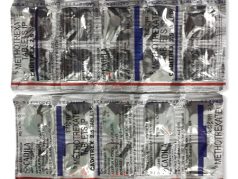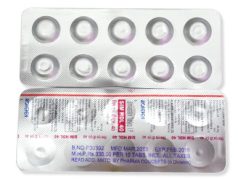
Nupentin

Nupentin
- In our pharmacy, you can buy nupentin without a prescription, with delivery in 5–14 days throughout Australia. Discreet and anonymous packaging.
- Nupentin is intended for the treatment of epilepsy, neuropathic pain, and restless legs syndrome. The drug works by modulating neurotransmitter release and inhibiting excitatory transmission.
- The usual dosage for adults starts at 300 mg and can be titrated up to 900–3600 mg per day depending on the condition.
- The form of administration is oral capsules, tablets, or solution.
- The effect of the medication begins within 1–2 hours.
- The duration of action is approximately 8–12 hours.
- It is advised not to consume alcohol while taking nupentin due to increased risk of side effects.
- The most common side effect is dizziness.
- Would you like to try nupentin without a prescription?
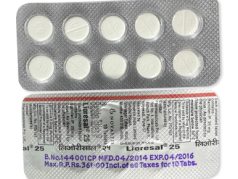






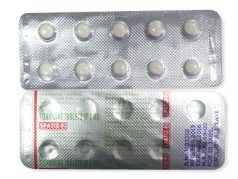
Basic Nupentin Information
- International Nonproprietary Name (INN): Gabapentin
- Brand names available in Australia: Neurontin, Gralise, Horizant
- ATC Code: N03AX12
- Forms & dosages: Tablets (100 mg, 300 mg, 400 mg), Solution
- Manufacturers in Australia: Pfizer, generic manufacturers like Teva, Mylan, and others
- Registration status in Australia: Prescription-only
- OTC / Rx classification: Prescription only (Rx)
Availability & Price Landscape
Nupentin, or gabapentin, is widely available at national pharmacy chains across Australia, such as Chemist Warehouse, Priceline, and TerryWhite. Stocking these medications can vary, with larger metropolitan areas typically offering more options than regional towns. Consumers often find Nupentin readily available in significant quantities, making it accessible for those requiring treatment.
Online Pharmacy Trends in Australia
Online pharmacies are increasingly popular among Australians, driven by convenience and the ongoing shift toward digital healthcare. Major players like Chemist Warehouse and MyPharmacy provide users with easy access to Nupentin, alongside a range of other medications. Customers appreciate the ability to order prescriptions from the comfort of their homes, which sometimes cuts the hassle of waiting in long queues.
Price Ranges by Package Size (PBS vs Private)
Pricing for Nupentin varies significantly depending on whether it is acquired through the Pharmaceutical Benefits Scheme (PBS) or purchased privately. Under the PBS, the usual cost for a package of Nupentin 100 mg is approximately AUD 6.50, while private costs can reach upwards of AUD 40 for the same dosage. This disparity highlights the importance of checking eligibility for the PBS, especially for those on a tight budget.
Patient Insights & Satisfaction Levels
Insights from forums such as ProductReview and various Aussie health forums reveal a mixed bag of patient experiences with Nupentin. Many users report positive outcomes, noting significant improvements in managing pain and anxiety. Testimonials highlight the effectiveness of Nupentin in treating conditions like neuropathic pain, with users appreciating the gradual onset of relief. However, it’s essential to note that some patients mention experiencing side effects such as dizziness and drowsiness, which are common at the start of treatment.
Reported Benefits and Issues from Australian Patients
The common benefits of Nupentin reported by patients include its effectiveness in managing chronic pain and issues associated with epilepsy. Users frequently mention reduced nerve pain and improved quality of life. However, there are side effects that users should be aware of—these include sedation, coordination issues, and possible weight gain. Patients are encouraged to discuss these potential side effects with their healthcare providers for a balanced understanding of the medication.
Product Overview & Brand Variants
Gabapentin, the International Nonproprietary Name (INN) for Nupentin, appears in Australia under various brand names, including Neurontin and Gralise. It comes in several forms, primarily as tablets and oral solutions, allowing flexibility in treatment styles. As one of the most recognised medications in its class, Nupentin is widely prescribed for neuropathic pain and seizure management.
Legal Classification (TGA-Approved)
In Australia, Nupentin is classified by the Therapeutic Goods Administration (TGA) as a prescription-only medication. This classification necessitates that consumers have a valid prescription from a registered healthcare professional before obtaining Nupentin. Proper adherence to legal guidelines ensures patient safety and appropriate use of the medication, which is crucial for managing complex conditions.
Dosage & Administration
When it comes to nupentin, understanding the right dosage for your medical condition is crucial. Here's a quick overview:
Standard regimens
Nupentin, primarily known as gabapentin, is used for various conditions ranging from epilepsy to neuropathic pain. Standard dosing guidelines include:
- Epilepsy/Partial seizures: Begin with 300 mg on the first day, escalating to 300 mg on the second day, and then up to three times daily.
- Neuropathic pain: Start at 300 mg, increasing by 300 mg daily, typically aiming for a maintenance dose of 1800-3600 mg daily.
- Restless legs syndrome: Administer 600 mg once daily in its extended-release form.
These regimens provide a solid foundation, though individual adjustments may be necessary based on patient response and tolerance.
Adjustments by patient type (elderly, chronic conditions)
Dosing adjustments are often required to ensure therapy is safe and effective:
- Elderly patients: Generally, start with lower doses due to increased sensitivity to side effects like dizziness and sedation.
- Patients with chronic kidney conditions: Significant dose reductions are necessary because nupentin is excreted through the kidneys.
- Pediatric considerations: For children aged 3 years and older, the initial dose may need to be calculated based on their weight, ensuring appropriate titration.
Contraindications & Side Effects
Understanding potential side effects and contraindications is essential for anyone considering nupentin.
Common
Many patients report mild to moderate side effects with nupentin. Common ones include:
- Dizziness
- Drowsiness
- Fatigue
- Peripheral edema
- Weight gain
These effects are typically manageable, but patients should discuss any persistent symptoms with their healthcare provider.
Rare but serious (Australian safety data)
While rare, some serious side effects have been reported:
- Respiratory depression: Particularly concerning for patients with pre-existing respiratory conditions.
- Suicidal thoughts: Some users may experience mood changes; monitoring is essential.
- Allergic reactions: Severe reactions can occur, necessitating prompt medical attention.
Australian safety data highlights the importance of patient monitoring, particularly during the early stages of treatment.
Comparable Medicines
Considering alternatives to nupentin is a common concern. Knowing what's available can help in making informed choices.
Alternatives table (PBS and non-PBS)
| Medicine | Formulation | Typical Use |
|---|---|---|
| Pregabalin (Lyrica) | Capsules | Neuropathic pain, epilepsy |
| Duloxetine | Capsules | Depression, nerve pain |
| Amitriptyline | Tablets | Neuropathic pain, depression |
This table highlights some comparable medicines, exemplifying options available through PBS and other channels.
Pros and cons list
Choosing nupentin has distinct advantages and disadvantages compared to its competitors:
- Pros: Generally well-tolerated, effective for multiple conditions, and relatively affordable.
- Cons: Possible side effects can limit usage, and some patients may find effectiveness varies.
Current Research & Trends
Staying updated on research trends is key to understanding the evolving landscape of nupentin usage.
Major studies 2022–2025 (Australia + international)
Significant studies are currently focusing on nupentin's effectiveness across various conditions:
- Investigations into higher dosing regimens for neuropathic pain.
- Research into off-label applications for anxiety and mood disorders.
- Ongoing trials assessing long-term safety and efficacy in diverse populations.
These studies reflect the commitment to understanding nupentin in contemporary medical practice.
Common Patient Questions
A range of common queries emerges regarding nupentin, especially in pharmacy consultations.
FAQs from Australian pharmacy consultations
- Can I get nupentin without a prescription? Yes, in some cases, it may be purchased over the counter, depending on local regulations.
- How should I take nupentin? Follow the prescribed guidelines; doses should be taken consistently as directed.
- What if I miss a dose? Take the missed dose as soon as possible; if it's almost time for the next dose, skip it.
These frequently asked questions help clarify typical concerns, ensuring patients feel informed and supported in their treatment journey.
Regulatory Status
Understanding the regulatory status of Nupentin is crucial for patients seeking access to this medication in Australia. Currently, Nupentin, which contains gabapentin, has received approval from the Therapeutic Goods Administration (TGA). This means it's prescribed for conditions such as nerve pain and partial seizures. The TGA's endorsement is vital as it signifies that Nupentin meets safety and efficacy standards for Australian patients.
TGA approval
Approval from the TGA assures patients that Nupentin has undergone thorough evaluation. This regulatory status facilitates greater accessibility, allowing physicians to prescribe it confidently for various disorders. Patients can rely on TGA-listed products, ensuring that they are receiving medication that is safe and effective.
PBS subsidy details
Patients can access Nupentin through the Pharmaceutical Benefits Scheme (PBS), a program that subsidises the cost of medications for Australians. Under the PBS, certain thresholds determine out-of-pocket expenses for patients. For Nupentin, costs can vary depending on whether one qualifies for the PBS subsidy, significantly reducing the financial burden for eligible patients. This helps ensure that those who need Nupentin for medical reasons can obtain it with more manageable costs.
Visual Recommendations
Visual aids can provide clarity about Nupentin's pricing and availability, making it easier for both patients and healthcare providers to navigate the procurement process.
Infographics: PBS pricing, pharmacy networks
Creating infographics focused on PBS pricing for Nupentin can help patients quickly grasp their financial responsibility. Highlighting pharmacy network availability can further assist in locating nearby pharmacies stocking Nupentin. Key elements for these infographics might include:
- A clear breakdown of out-of-pocket expenses based on different PBS tiers.
- A map showcasing pharmacy networks with access to Nupentin.
- Comparative pricing charts displaying retailer variations.
Such visual tools not only simplify information but also empower patients to make informed decisions regarding their medication options.
Buying & Storage Advice
Knowing how to purchase and store Nupentin enhances its effectiveness and user experience. This guide provides practical tips on the buying process and optimal storage conditions.
In-store vs online purchase tips in Australia
For Australians, Nupentin can be purchased both in-store and online. When buying it in-store, it's advisable to check local pharmacies' availability before just dropping by. Pharmacies typically keep a reliable stock of common medications.
For online purchases:
- Choose reputable online pharmacies that require a prescription.
- Compare prices across platforms for the best deal.
- Ensure the pharmacy has proper licensing and customer reviews.
Staying informed about local regulations regarding the purchase of prescription medications is equally important, as it can vary by region.
Storage in Australian household conditions (heat/humidity)
Storing Nupentin properly ensures its effectiveness. In Australia, it's essential to keep it in a cool, dry place, away from direct sunlight and moisture. Recommended storage conditions include:
- Temperature between 20–25°C.
- Avoiding areas like the bathroom where humidity can rise.
- Keeping it out of children's reach to prevent accidental exposure.
Maintaining suitable storage conditions will help ensure the medication retains its efficacy throughout the prescribed usage period.
Guidelines for Proper Use
Using Nupentin correctly is vital for achieving the desired outcomes while minimising potential side effects. Patients are encouraged to follow professional guidelines and maintain open communication with healthcare providers.
Pharmacist guidance in Australia
Pharmacists play an integral role in ensuring the safe use of Nupentin. They provide valuable information regarding dosage, potential interactions with other medications, and side effects to watch for. Consulting pharmacists can lead to tailored advice, particularly about managing chronic conditions. For example, they may recommend gradual dosage adjustments to optimize treatment outcomes.
Patient safety recommendations
Patients should always monitor their response to Nupentin, keeping track of any unusual symptoms or side effects. Key considerations include:
- Regular check-ups with healthcare professionals for ongoing assessments.
- Reporting any adverse reactions to a doctor promptly.
- Ensuring adherence to prescribed dosages without making adjustments independently.
These steps contribute to a safer treatment journey with Nupentin, helping to enhance overall efficacy while protecting patient health.
| City | Region | Delivery time |
|---|---|---|
| Sydney | New South Wales | 5–7 days |
| Melbourne | Victoria | 5–7 days |
| Brisbane | Queensland | 5–7 days |
| Perth | Western Australia | 5–7 days |
| Adelaide | South Australia | 5–7 days |
| Gold Coast | Queensland | 5–9 days |
| Canberra | Australian Capital Territory | 5–9 days |
| Newcastle | New South Wales | 5–9 days |
| Wollongong | New South Wales | 5–9 days |
| Geelong | Victoria | 5–9 days |
| Cairns | Queensland | 5–9 days |
| Townsville | Queensland | 5–9 days |