
Terbinafine
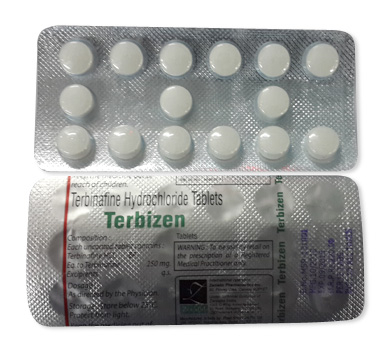
Terbinafine
- In our pharmacy, you can buy terbinafine without a prescription, with delivery in 5–14 days throughout Australia. Discreet and anonymous packaging.
- Terbinafine is intended for the treatment of fungal infections, including onychomycosis and tinea infections. It works by inhibiting the enzyme squalene epoxidase, which is essential for fungal cell membrane synthesis.
- The usual dosage of terbinafine for onychomycosis is 250 mg once daily for 6 to 12 weeks, depending on the infection.
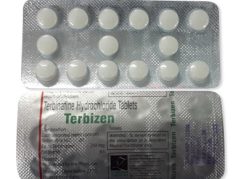
- The form of administration is available as tablets, cream, and spray.
- The effect of the medication begins within 1-2 weeks for topical forms and may take up to several weeks for oral administration.
- The duration of action varies; topical forms are typically applied 1-2 times daily and oral forms last approximately 24 hours.
- Do not consume alcohol while taking terbinafine, as it may increase the risk of liver toxicity.
- The most common side effect is gastrointestinal upset, including nausea and diarrhea.
- Would you like to try terbinafine without a prescription?
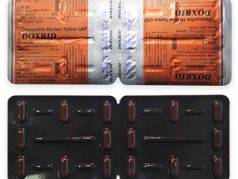
Basic Terbinafine Information
- INN (International Nonproprietary Name): Terbinafine
- Brand names available in Australia: Lamisil, Terbinex, Apo Terbinafine
- ATC Code: D01BA02
- Forms & dosages: Tablets, Creams, Sprays
- Manufacturers in Australia: Novartis, Mylan, Apotex
- Registration status in Australia: TGA approved
- OTC / Rx classification: OTC for topical forms, Rx for oral tablets
Availability & Price Landscape
Major pharmacy chains, including Chemist Warehouse, Priceline, and TerryWhite, are essential players in the Australian market for terbinafine products. These stores generally carry a variety of formulations, including tablets, creams, and sprays, making it convenient for consumers to access an effective antifungal treatment. Terbinafine is particularly well-known for its application against tinea infections and nail fungus.Online Pharmacy Trends in Australia
The rise of online pharmacies has revolutionised the way Australians access medications, including terbinafine. The increase in telehealth consultations, particularly accelerated by the COVID-19 pandemic, has made it easier for patients to obtain prescriptions without visiting a health practitioner in person. As a result, many individuals are now purchasing terbinafine online, benefiting from a wider selection and potentially more competitive pricing.Price Ranges by Package Size (PBS vs Private)
Understanding the pricing structure is crucial for anyone considering terbinafine. Under the Pharmaceutical Benefits Scheme (PBS), patients can access terbinafine at significantly reduced prices. Individual packages may include options like the 250 mg tablets or 1% cream, available in different sizes. In contrast, private sales often come at a higher price point due to lack of subsidy. This price difference can vary greatly depending on the chosen package size and formulation—highlighting the need for consumers to explore both options.Patient Insights & Satisfaction Levels
Forum reviews from platforms like ProductReview and Aussie health forums reveal that many patients find terbinafine effective in treating infections. Overall satisfaction appears high, particularly regarding its efficacy in resolving nail fungus and athlete's foot. Users often cite that the treatment begins to show results within just a few weeks, with many appreciating the straightforward application methods.Reported Benefits and Issues from Australian Patients
The common benefits reported include effective relief from fungal infections, quick action, and minimal side effects. However, some users have shared experiences of potential challenges, such as gastrointestinal upset or skin irritation. It's essential to remain informed about both the upsides and downsides of using terbinafine to make a well-rounded choice regarding its use.Product Overview & Brand Variants
The International Nonproprietary Name (INN) for terbinafine is just that—terbinafine. In Australian pharmacies, several brand names are found, including Lamisil and Apo Terbinafine. These products come in the form of oral tablets, topical creams, and sprays, catering to varying needs of consumers.Legal Classification (TGA-Approved)
The Therapeutic Goods Administration (TGA) has classified terbinafine as a medication requiring prescription for its oral forms, while many topical variants are available over-the-counter. This classification makes it quite accessible, particularly as patients can purchase creams and sprays without a prescription, streamlining the treatment process for superficial fungal conditions.Indications in Local Medical Practice
According to TGA guidelines, terbinafine is approved for treating conditions like onychomycosis (fungal nail infection) and tinea infections. These approved indications highlight its role as a frontline treatment for fungal issues in Australia, offering clarity for clinicians and patients alike.Off-label Patterns in Australian Clinics
While terbinafine is commonly prescribed for TGA-approved uses, some Australian clinicians have reported off-label use, particularly in treating resistant or recurring infections. This has led to diverse application patterns that could benefit patient outcomes but also require careful monitoring.How It Works in the Body
At its core, terbinafine is an antifungal that operates by inhibiting the growth of fungi, effectively targeting infections throughout the body. It does this by disrupting cell membrane formation, rendering the fungi unable to thrive.Clinical Detail
Delving into the pharmacodynamics of terbinafine, it works at a cellular level by inhibiting the enzyme squalene epoxidase. This blockage leads to disrupted cellular components essential for the growth of fungal cells, which aids in tackling infections more rapidly when compared to other treatments such as fluconazole or clotrimazole.Dosage & Administration
When considering terbinafine, knowing the proper dosage can vastly affect outcomes. For adults, terbinafine is often prescribed for various conditions, primarily onychomycosis and athlete's foot.
Standard regimens
Standard dosages for terbinafine differ based on the condition:
- Onychomycosis: 250 mg orally once daily for 6 weeks for fingernails, or 12 weeks for toenails.
- Athlete's foot (Tinea pedis): 250 mg orally once daily for 2 to 6 weeks.
- Tinea corporis and jock itch (Tinea cruris): 250 mg orally once daily for 2 to 4 weeks.
- For topical applications, cream or spray forms are applied 1-2 times daily to the affected area for 1 to 4 weeks.
The effectiveness of terbinafine makes it a go-to option for these common fungal infections.
Adjustments by patient type
Adjustments to terbinafine dosage are crucial for certain populations:
- Elderly: While no specific dosage adjustment is mandated, careful monitoring of liver and renal function is advised.
- Chronic liver disease: Terbinafine is contraindicated for patients with active liver conditions. Regular monitoring of liver enzymes is essential.
- Renal impairment: In cases of severe dysfunction, it may be necessary to consider dose modifications or alternative treatments.
Consultation with a healthcare provider ensures optimal management and reduces the risk of adverse effects.
Contraindications & Side Effects
Understanding the contraindications and potential side effects of terbinafine can help mitigate risks associated with its use.
Common
While many tolerate terbinafine well, some side effects are relatively common:
- Gastrointestinal upset, including nausea and abdominal discomfort.
- Headaches and taste disturbances.
- Skin reactions such as rash, itching, and mild irritation, especially with topical use.
Monitoring for these effects is essential for those starting treatment with terbinafine.
Rare but serious (Australian safety data)
Despite its efficacy, some serious adverse effects do occur:
- Hepatic dysfunction, including severe liver injury, necessitating immediate cessation of therapy.
- Severe skin reactions, like Stevens-Johnson syndrome.
- Neutropenia and thrombocytopenia have also been reported, making blood monitoring a wise precaution.
Awareness of these risks, particularly in Australian populations, underscores the importance of careful patient monitoring throughout the treatment course.
Comparable Medicines
When considering antifungal medications, understanding alternatives to terbinafine is important.
Alternatives table (PBS and non-PBS)
| Medicine | Type | Form |
|---|---|---|
| Fluconazole | Azole | Oral, Injectable |
| Itraconazole | Azole | Oral |
| Clotrimazole | Azole | Topical |
| Naftifine | Allylamine | Topical |
Pros and cons list
Here’s a quick rundown of terbinafine's pros and cons compared to its competitors:
- Pros: Often considered the gold standard for onychomycosis with shorter treatment duration and higher success rates.
- Cons: Requires monitoring for liver function and carries a risk of gastrointestinal side effects.
Exploring these factors can help guide informed medication selections.
Current Research & Trends
Research on terbinafine and its effectiveness continues to evolve, providing valuable insights for clinicians and patients alike.
Major studies 2022–2025 (Australia + international)
Recent studies have focused on the efficacy and safety of terbinafine in various settings. Emerging trends include:
- Increased use of terbinafine for resistant fungal infections, particularly in Australia.
- Investigations into the socioeconomic impact of fungal infections and the role of terbinafine as an accessible treatment option.
- Research into lower doses and safety, particularly in populations with pre-existing conditions.
This growing body of knowledge is shaping treatment protocols and patient care strategies.
Common Patient Questions
Pharmacists frequently encounter questions about terbinafine that help clarify its use.
FAQs from Australian pharmacy consultations
Common inquiries often include:
- How long does terbinafine take to work?
- Can I drink alcohol while taking terbinafine?
- What are the side effects of terbinafine, including skin reactions?
- Is it safe to use topical terbinafine while breastfeeding?
Providing clear and accurate information ensures patients are well-informed about their treatment options.
Regulatory Status
TGA approval
In Australia, terbinafine has been through the Therapeutic Goods Administration (TGA) for thorough assessment and approval.
This includes various formulations such as oral tablets, topical creams, and sprays, each meeting specific criteria for safety and efficacy.
The TGA evaluates clinical trials data demonstrating that terbinafine effectively manages fungal infections like onychomycosis, tinea pedis, and other dermatophyte infections.
Following this approval, the drug can be prescribed or purchased over-the-counter, depending on the formulation, streamlining pathways for access and use.
PBS subsidy details
The Pharmaceutical Benefits Scheme (PBS) plays a crucial role in providing subsidies for terbinafine in Australia.
This subsidy significantly lowers the price point for patients, ensuring that medications are more affordable and accessible. By reducing patient out-of-pocket costs, the PBS facilitates access to necessary antifungal treatments.
Patients are encouraged to check with their healthcare providers about eligibility for PBS subsidised medications. In most cases, a simple prescription is needed to access the benefits.
This not only impacts affordability but also broadens the availability of treatment options, encouraging those suffering from fungal infections to seek treatment without significant financial burden.
Visual Recommendations
Infographics: PBS pricing, pharmacy networks
Creating engaging infographics can truly illuminate the availability and cost of terbinafine across different pharmacy networks in Australia.
- Price ranges of various formulations, showcasing both TGA-approved and PBS-subsidised prices.
- Maps indicating pharmacy locations that stock terbinafine across major cities and regions.
- Graphs demonstrating potential savings for patients under the PBS subsidy compared to retail prices.
Buying & Storage Advice
In-store vs online purchase tips in Australia
When looking to buy terbinafine, consumers have two primary options: in-store and online.
In-store options are generally recommended for immediate access.
Check local pharmacies for stock availability and price. Don't hesitate to ask about ongoing promotions or discounts.
For online purchases, research various chemist websites.
Look for deals, and always verify that the online pharmacy is reputable to avoid counterfeit products.
Compare prices between platforms to secure the best deal.
Storage in Australian household conditions (heat/humidity)
In Australia, storing terbinafine properly is essential to maintaining its effectiveness.
Follow these tips for ideal storage conditions:
- Keep terbinafine in a cool environment, ideally between 15-30°C.
- Avoid direct sunlight and humidity by storing in a dry place.
- Temperature fluctuations can affect the drug, so a stable environment is crucial.
Proper storage ensures the medication retains its potency, particularly in regions with high heat and humidity.
Guidelines for Proper Use
Pharmacist guidance in Australia
Pharmacists play a vital role in advising about the correct use of terbinafine.
They typically emphasise dosing schedules, like taking oral terbinafine once daily for onychomycosis, and how to apply topical formulations effectively.
It’s crucial to follow the instructions provided, as misuse can lead to ineffective treatment.
Patient safety recommendations
Patient safety is paramount when using terbinafine.
If side effects occur, such as unusual fatigue or jaundice, consulting a healthcare provider immediately is important.
Monitoring liver function is particularly recommended due to the potential for hepatotoxicity.
Regular check-ups can ensure that the medication is working effectively while safeguarding overall health.