Trimetazidine
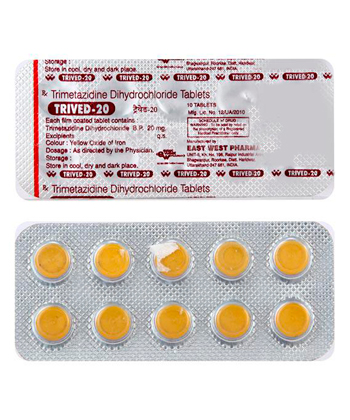
Trimetazidine
- In our pharmacy, you can buy trimetazidine without a prescription, with delivery in 5–14 days throughout Australia. Discreet and anonymous packaging.
- Trimetazidine is intended for the treatment of chronic stable angina pectoris. The drug works by improving the heart’s metabolism and efficiency during oxygen deficiency.
- The usual dose of trimetazidine is 35 mg modified-release tablet taken twice daily or 20 mg immediate-release tablet taken 2–3 times daily with food.
- The form of administration is a tablet or modified-release tablet.
- The effect of the medication begins within 1–2 hours.
- The duration of action is approximately 10 hours.
- It is advisable to avoid alcohol while taking trimetazidine.
- The most common side effect is gastrointestinal disturbances such as nausea or vomiting.
- Would you like to try trimetazidine without a prescription?






Basic Trimetazidine Information
- International Nonproprietary Name (INN): Trimetazidine
- Brand names available in Australia: Not approved
- ATC Code: C01EB15
- Forms & dosages: Modified-release tablets: 35 mg, Immediate-release tablets: 20 mg
- Manufacturers in Australia: Not available
- Registration status in Australia: Not approved
- OTC / Rx classification: Prescription-only (Rx)
Availability & Price Landscape
The searching for trimetazidine in Australia brings up some challenges. Major pharmacy chains like Chemist Warehouse, Priceline, and TerryWhite do not stock trimetazidine since it is not approved for use. This means that anyone seeking this medication is faced with restricted options and may require further avenues to access alternatives.
The ramifications of this lack of approval are significant. Patients relying on trimetazidine for managing conditions like angina are essentially left in the lurch, forcing them to explore either unregulated online providers or seek alternatives that might not offer the same efficacy.
Online Pharmacy Trends in Australia
In recent years, online pharmacies in Australia have seen a surge in activity. With the quest for alternative treatments in full swing, patients are more frequently exploring online options. While this may provide an avenue to access medications that are not readily available through national chains, it also raises critical safety concerns. The landscape is marked by the availability of unverified products, as many patients might be tempted to buy trimetazidine from dubious sources without adequate knowledge of their legitimacy.
Online pharmacies often advertise various treatments for heart conditions, but it’s vital for consumers to approach these options with caution. Not only is trimetazidine not included under regulatory frameworks like the Pharmaceutical Benefits Scheme (PBS), but purchasing medications through unregulated channels increases the risk of acquiring counterfeit or unsafe drugs. Always ensure that any online pharmacy is legitimate and follows proper guidelines.
Price Ranges by Package Size (PBS vs Private)
When considering the financial aspect, it’s important to highlight that trimetazidine is not included in the PBS. Patients looking for alternatives will find varying costs as they compare options available under the PBS versus private pricing. For instance, similar medications often receive substantial subsidies under the PBS, leading to lower personal expenses for patients. In comparison, private pricing for alternatives can significantly differ, leading to higher out-of-pocket costs.
For those interested in the comparative costs:
- PBS pricing can provide affordability with wrap-around support.
- Private pricing will tend to be higher, creating a barrier for some patients.
Without the support of the PBS, patients seeking trimetazidine as a medication alternative face more considerable burdens, both in terms of availability and cost. Awareness of these factors and diligence in seeking validated alternatives are integral to navigating this landscape.
Dosage & Administration
When discussing trimetazidine dosing, patients often ask about standard regimens. In many European countries, the common dosing protocol for trimetazidine, particularly for chronic stable angina pectoris, includes the use of 35 mg modified-release (MR) tablets. These are typically taken twice daily, while immediate-release formulations of 20 mg are taken 2-3 times daily with food. Understanding these standard practices helps contextualise how this medication is administered globally.
Adjustments by patient type
Patients with specific characteristics may require tailored dosing. For the elderly, it's crucial to consider renal function, which often declines with age. It's advisable to lower the dose to 35 mg once daily for those with an estimated glomerular filtration rate (eGFR) of 30-60 mL/min/1.73m². Additionally, for those with moderate to severe renal impairment, a dosage of 35 mg once daily is suggested, while severe impairment under eGFR 30 mL/min is generally contraindicated. There’s limited data available for patients with hepatic impairment, so the use of trimetazidine should be approached cautiously in these cases.
Contraindications & Side Effects
Patients taking trimetazidine may experience common side effects, with gastrointestinal issues being reported frequently. Symptoms can include nausea, vomiting, and abdominal pain, which may be typical of heart medications. However, trimetazidine also suffers from adverse reactions seen less often but worthy of mentioning, such as dizziness and weakness—similar to those caused by other antianginals.
Rare but serious
More severe effects, though rare, can include extrapyramidal symptoms that may persist post-treatment. This includes movement disorders, notable in Australian safety data, which highlight a need for doctors to monitor patients closely. Reports show that while some patients tolerate trimetazidine well, vigilance is essential to address these less common, yet significant concerns effectively.
Comparable Medicines
Alternatives table
| Medication | Type | Availability (PBS) | Primary Uses |
|---|---|---|---|
| Ranolazine | Antianginal | Yes | Chronic stable angina |
| Ivabradine | Heart rate reducer | Yes | Chronic stable angina |
| Beta-blockers | Traditional antianginal | Yes | Hypertension, angina |
| Calcium channel blockers | Traditional antianginal | Yes | Hypertension, angina |
Pros and cons list
Evaluating alternatives brings forward multiple pros and cons. For example:
- Ranolazine: Effective for chronic angina but can lead to dizziness.
- Ivabradine: A good option for heart rate control but not suitable for all type of angina.
- Beta-blockers: Widely used, but may cause fatigue and depressive symptoms.
- Calcium channel blockers: Effective but can lead to swelling and constipation.
Current Research & Trends
Major studies 2022–2025
Research on trimetazidine is continuing to evolve. In Australia and internationally, new studies from 2022 to 2025 are focusing on its efficacy beyond traditional applications. Emerging findings indicate potential benefits not only in angina management but also in unexpected cardiovascular conditions. As insights are uncovered, the role of trimetazidine in off-label uses is being scrutinised. This evolving knowledge base keeps healthcare practitioners informed about its therapeutic potential and safety.
Common Patient Questions
FAQs from Australian pharmacy consultations
- What is trimetazidine used for? Primarily for stabilising chronic angina.
- Can I take trimetazidine without food? Yes, it can be taken with or without food, but consistency is key.
- What are the common side effects? Some may experience nausea or dizziness.
- Is trimetazidine available over-the-counter? Yes, in some cases, it can be purchased without a prescription.
- How long should I take trimetazidine? Treatment duration varies; daily assessment of efficacy is advised.
Regulatory Status
TGA approval
At present, trimetazidine is not approved by the Therapeutic Goods Administration (TGA) in Australia.
This lack of TGA approval means that healthcare professionals cannot prescribe trimetazidine legally within the country. Patients seeking this medication for angina relief or other cardiovascular issues face challenges in obtaining it through standard medical channels.
This regulatory status may lead patients to explore alternative treatments, which could introduce variations in treatment efficacy and safety. It is crucial for both medical practitioners and patients to remain well-informed on the legal and medical ramifications of using unapproved medications.
PBS subsidy details
Trimetazidine currently has no subsidy available through the Pharmaceutical Benefits Scheme (PBS) in Australia. This absence of PBS support significantly affects patient access to the drug, heightening out-of-pocket costs for those seeking it alternatives.
The lack of subsidy can often result in patients avoiding effective medications due to financial concerns, pushing them instead to consider less effective treatments. Exploring alternative therapies could be a necessary route, but it also underlines the importance of patient education on available options and their potential costs.
Visual Recommendations
To raise awareness about the financial aspects of heart medications, an engaging infographic could effectively outline the following:
- Pricing structures of trimetazidine compared to alternatives
- Key pharmacy networks offering heart medications across Australia
- Graphs showcasing patient usage statistics for prescribed therapies
This visual representation would not only facilitate better understanding of the Australian pharmaceutical market but also empower consumers in making informed healthcare decisions.
Buying & Storage Advice
In-store vs online purchase tips in Australia
Considering alternatives to trimetazidine? Here are a few tips:
- Always purchase medications from reputable pharmacies, be it online or in-store.
- Check for accredited online pharmacies that require prescriptions, maintaining your safety and health.
- Ask pharmacists for comparable drugs, as they can often suggest effective alternatives to trimetazidine.
By ensuring purchases are made securely, patients can minimise risks associated with counterfeit drugs while maximising the effectiveness of their treatment.
Storage in Australian household conditions
When it comes to storing heart medications, particularly those affecting metabolism like trimetazidine, Australian climate conditions matter:
- Always keep medicines below 30°C to prevent degradation.
- Store in a cool, dry place, shielded from humidity.
- Avoid keeping medications in bathrooms or kitchens where temperature fluctuations are common.
Correct storage helps maintain medication integrity, ensuring they remain effective when needed.
Guidelines for Proper Use
Pharmacist guidance in Australia
Australian pharmacists typically recommend the following best practices for using trimetazidine:
- Adhere strictly to prescribed dosages, especially regarding food intake which may affect absorption.
- Keep them informed of any side effects to adjust treatment plans promptly.
- Periodically reassess the need for trimetazidine as part of a broader heart health strategy.
These guidelines can aid in maximising the benefits of treatment and minimising potential risks associated with trimetazidine.
Patient safety recommendations
For those considering or currently using alternatives to trimetazidine, keeping the following safety tips in mind is wise:
- Consult healthcare providers before starting any new medication.
- Be aware of contraindications specific to heart conditions and renal function.
- Report any unusual symptoms or side effects immediately.
Ensuring comprehensive communication with healthcare providers facilitates optimal care and better outcomes when navigating treatment options.
| City | Region | Delivery time |
|---|---|---|
| Sydney | New South Wales | 5–7 days |
| Melbourne | Victoria | 5–7 days |
| Brisbane | Queensland | 5–7 days |
| Perth | Western Australia | 5–7 days |
| Adelaide | South Australia | 5–7 days |
| Hobart | Tasmania | 5–9 days |
| Canberra | Australian Capital Territory | 5–7 days |
| Darwin | Northern Territory | 5–9 days |
| Gold Coast | Queensland | 5–7 days |
| Newcastle | New South Wales | 5–9 days |
| Wollongong | New South Wales | 5–9 days |
| Cairns | Queensland | 5–9 days |
| Sunshine Coast | Queensland | 5–9 days |
| Geelong | Victoria | 5–9 days |