Chloromycetin
Chloromycetin
- In our pharmacy, you can buy chloromycetin without a prescription, with delivery in 5–14 days throughout Australia. Discreet and anonymous packaging.
- Chloromycetin is used for the treatment of severe infections caused by bacteria. The drug works by inhibiting bacterial protein synthesis.
- The usual dosage for adults is 50 mg/kg/day, divided every 6 hours; for children, it is 50–100 mg/kg/day, also divided every 6 hours.
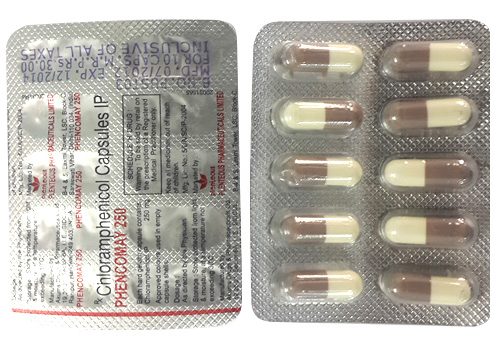
- The form of administration includes oral capsules, eye ointment, and powder for injection.
- The effect of the medication begins within 1–2 hours after administration.
- The duration of action varies, typically lasting 6–8 hours but may extend based on the condition treated.
- Do not consume alcohol while taking chloromycetin.
- The most common side effect is nausea and vomiting.
- Would you like to try chloromycetin without a prescription?








Basic Chloromycetin Information
- INN (International Nonproprietary Name): Chloramphenicol
- Brand names available in Australia: Chloromycetin
- ATC Code: J01BA01
- Forms & dosages: Tablets, injections, creams, eye drops
- Manufacturers in Australia: Various generic pharmaceutical companies
- Registration status in Australia: TGA-approved
- OTC / Rx classification: Prescription Only Medicine
Availability & Price Landscape
Chloromycetin is available through major national pharmacy chains like Chemist Warehouse, Priceline, and TerryWhite. These retailers offer a variety of services, including expert pharmacy advice and often price matching. It’s handy for consumers to check with their local pharmacy if they have what they need in stock. The availability of such important antibiotics ensures that patients can get the medications they require in a timely manner.
Online Pharmacy Trends In Australia
In recent years, the growth of online pharmacies has significantly changed how Australians access medications. The convenience of ordering from home is an attractive option, especially for those with mobility issues or those who wish to keep their medical needs private. However, there are risks, such as verifying the legitimacy of the pharmacy and the potential for receiving counterfeit medications.
Telehealth services have gained traction in Australia, allowing healthcare providers to offer prescriptions electronically. This trend enhances accessibility to Chloromycetin, especially in remote areas.
Price Ranges By Package Size
The cost of Chloromycetin varies based on whether it is purchased under the Pharmaceutical Benefits Scheme (PBS) or privately. PBS subsidies provide significant savings for patients, making the medication more affordable. In contrast, purchasing it privately often incurs higher prices, especially at local retailers as opposed to online pharmacies. It's vital for consumers to compare prices to ensure they are getting the best deal.
Patient Insights & Satisfaction Levels
Patient testimonials on platforms like ProductReview and various Aussie health forums highlight mixed experiences with Chloromycetin. Many users report quick recoveries and effective treatment of eye infections, noting the benefits of using chloromycetin eye ointment or drops. However, some patients have also shared negative experiences, discussing side effects and concerns regarding potential long-term use.
Reported Benefits And Issues From Australian Patients
Commonly cited benefits include:
- Speed of recovery from infections
- Effective treatment for bacterial conjunctivitis
On the flip side, several patients raise issues about side effects, including gastrointestinal disturbances and allergic reactions. Some also express worry over the implications of prolonged use, such as the risk of developing antibiotic resistance.
Product Overview & Brand Variants
Chloromycetin is the trade name for Chloramphenicol, known globally for its efficacy against serious infections. In Australia, it may be found in various formulations including eye drops and ointments. Understanding these brand distinctions can assist patients in finding the correct medication for their needs.
Legal Classification (TGA-approved)
Chloromycetin is classified as a Prescription Only Medicine (Rx) in Australia, reflecting its serious nature and the potential for side effects. The Therapeutic Goods Administration (TGA) monitors its use, impacting availability in pharmacies. Patients should be aware of the regulations that protect them when obtaining medications like Chloromycetin.
Indications In Local Medical Practice
The TGA has approved Chloromycetin for a range of uses including treatment for bacterial eye infections and other severe infections. Medical practitioners often prescribe it when other antibiotics are ineffective.
Off-Label Patterns In Australian Clinics
Some practitioners may use Chloromycetin off-label, particularly for conditions not explicitly noted on the packaging. This practice is generally managed within clinical guidelines to ensure patient safety.
How It Works In The Body
Chloromycetin acts by inhibiting bacterial protein synthesis, effectively stopping the growth of pathogens responsible for infections. This mechanism allows it to treat conditions effectively, showcasing its importance in modern medicine.
Clinical Detail
From a pharmacological standpoint, Chloramphenicol affects the ribosomal function in bacteria. It binds to the 50S subunit of the ribosome, blocking peptide bond formation. This precise action allows it to combat various bacterial strains successfully.
Dosage & Administration
Understanding the appropriate dosage of chloromycetin is crucial for effective treatment. There are standard regimens for different infections, applicable to both adults and children.
Standard regimens
For severe infections, adults typically receive 50 mg/kg/day, divided into doses every six hours. For children, the dosage varies from 50 to 100 mg/kg/day, also divided accordingly.
Specific conditions like typhoid or meningitis may require even higher doses, up to 100 mg/kg/day, always adjusted based on the patient’s weight.
Treatment durations often span from 7 to 14 days for systemic infections, but localised treatments like eye ointment are usually prescribed for a shorter course of around 5 to 7 days.
Adjustments by patient type
In special populations, dosing needs careful modification:
- Elderly patients are at an increased risk of side effects such as bone marrow suppression, requiring cautious dosing.
- Children and infants should be carefully monitored for “grey baby syndrome,” necessitating lower or extended dosing intervals.
- Patients with chronic conditions, particularly those with liver or kidney impairment, may need reduced dosages and regular monitoring of serum levels.
Contraindications & Side Effects
Awareness of contraindications and potential side effects associated with chloromycetin is vital for patient safety.
Common
Patients may experience a range of mild to moderate side effects, such as:
- Nausea and vomiting
- Diarrhea
- Oral or vaginal thrush
- Mild allergic reactions
Rare but serious
On the serious side, chloromycetin has been linked to significant health risks:
- Bone marrow suppression, including aplastic anaemia, has been observed, sometimes with fatal outcomes.
- Other serious conditions reported include “grey baby syndrome” in infants.
- Peripheral and optic neuritis can also occur with prolonged use.
According to Australian safety data, regular monitoring of blood counts is advised due to risks of myelosuppression.
Comparable Medicines
When considering alternatives to chloromycetin, several comparable medicines are available on the market.
Alternatives table
| Medicine | Type |
|---|---|
| Ceftriaxone | Parenteral antibiotic |
| Ciprofloxacin | Oral/IV |
| Azithromycin | Oral antibiotic |
Pros and cons list
Each alternative medication comes with its own set of advantages and disadvantages:
- Ceftriaxone is effective for severe infections but often needs to be administered in a healthcare setting.
- Ciprofloxacin is easier to use orally but carries a risk of side effects, such as tendon damage.
- Azithromycin offers a favourable safety profile but may not be suitable for all types of infections.
Current Research & Trends
Research into chloromycetin’s efficacy is ongoing, highlighting its importance in contemporary medicine.
Major studies 2022–2025
Several studies from Australia and around the world focus on chloromycetin use, particularly in the context of treating drug-resistant infections.
Research has shown that chloromycetin remains effective, but the concern about antibiotic resistance prompts continued evaluation.
Ongoing studies aim to find ways to minimise resistance while ensuring effective treatment for critical infections.
Common Patient Questions
Patients frequently have questions regarding chloromycetin and its uses during pharmacy consultations.
FAQs from Australian pharmacy consultations
Common inquiries often include:
- Can chloromycetin eye drops be obtained over the counter?
- What should I do if I miss a dose?
- What are the risks of using chloromycetin ointment?
- How long should I use the eye drops for my infection?
Simple answers can address concern: Yes, chloromycetin eye drops can usually be bought without a prescription in Australia. If a dose is missed, take it when remembered unless it’s almost time for the next one. The ointment should be used as directed to avoid complications, and usage duration for eye drops typically spans about a week.
Regulatory Status
TGA approval
Chloromycetin, known internationally as chloramphenicol, has a regulatory status that is carefully monitored by the Therapeutic Goods Administration (TGA) in Australia. This anti-infective medication is classified as a Prescription Only Medicine (Rx), indicating that it cannot be purchased over-the-counter without a valid prescription from a healthcare professional. As of now, the TGA maintains that chloromycetin is primarily reserved for severe infections due to the potential for serious side effects, including bone marrow suppression.
Updates to the approval status have been minimal, reflecting a consistent regulatory environment. Its use remains focused on cases where other antibiotics may not be suitable due to resistance or allergies. Clinicians are advised to follow TGA guidelines when prescribing this medication.
PBS subsidy details
When it comes to financial support, chloromycetin is included in the Pharmaceutical Benefits Scheme (PBS), enabling eligible patients to obtain it at a subsidised cost. The PBS coverage applies to a variety of formulations including oral capsules, eye drops, and ointments. Eligibility for these subsidies typically includes patients diagnosed with serious infections that warrant treatment with chloromycetin. Obtaining a PBS prescription can significantly reduce costs, making this essential medicine more accessible for those in need. Many patients may find themselves wrestling with healthcare expenses, and understanding the PBS structure can provide relief.
Visual Recommendations
Infographics illustrating both the pricing structure across PBS and private options can provide clarity for prospective buyers. A visual breakdown can highlight the cost differences for chloromycetin when dispensed through the PBS versus when purchased privately. Additionally, visual blocks showcasing pharmacy chains and their distribution access in Australia can guide patients in finding the most convenient locations for acquiring chloromycetin. This information is particularly useful as it helps demystify the purchasing process and informs patients where they can readily obtain their medication.
Buying & Storage Advice
In-store vs online purchase tips in Australia
Making informed decisions about purchasing chloromycetin can feel overwhelming at times. Whether considering in-store or online options, both have their advantages. With in-store options, local pharmacies can provide immediate access and face-to-face consultations with pharmacists, ensuring customers understand how to use the medication correctly. Online purchases may offer convenience, especially for those in remote areas, but ensure the website is reputable and follows regulatory standards.
Storage in Australian household conditions
Once obtained, proper storage of chloromycetin is crucial to maintaining its effectiveness. In Australian households, with varying climate conditions, it is best to adhere to the following practices:
- Keep chloromycetin below 25°C.
- Avoid freezing the medication.
- Store reconstituted solutions in the refrigerator and use them within 24 hours.
- Protect eye ointments and drops from contamination by ensuring caps are tightly sealed.
These guidelines help mitigate risk and ensure the medication remains safe for use, especially in humid environments. When managing healthcare at home, small steps in storage can make a big difference.
Guidelines for Proper Use
Pharmacist guidance in Australia
Pharmacists play a vital role in the responsible use of chloromycetin. They offer crucial advice on dosing, potential side effects, and drug interactions specific to individual patient scenarios. Patients are encouraged to engage with their pharmacists regarding any concerns or questions about their treatment. This collaborative approach fosters a clear understanding, ensuring optimal outcomes during the course of treatment.
Patient safety recommendations
To enhance safety while using chloromycetin, several practical measures should be observed:
- Follow the prescribed dosage closely to avoid potential toxicity.
- Monitor for any unusual symptoms or side effects, promptly reporting them to a healthcare provider.
- Maintain periodic communication with doctors and pharmacists throughout the treatment process.
These simple steps can significantly enhance overall safety, allowing patients to navigate treatment more effectively and with confidence.
Delivery Times for Chloromycetin
| City | Region | Delivery Time |
|---|---|---|
| Sydney | New South Wales | 5–7 days |
| Melbourne | Victoria | 5–7 days |
| Brisbane | Queensland | 5–7 days |
| Perth | Western Australia | 5–7 days |
| Adelaide | South Australia | 5–7 days |
| Hobart | Tasmania | 5–9 days |
| Canberra | Australian Capital Territory | 5–7 days |
| Darwin | Northern Territory | 5–9 days |
| Gold Coast | Queensland | 5–9 days |
| Newcastle | New South Wales | 5–9 days |
| Wollongong | New South Wales | 5–9 days |
| Cairns | Queensland | 5–9 days |
| Geelong | Victoria | 5–9 days |
| Sunshine Coast | Queensland | 5–9 days |
| Central Coast | New South Wales | 5–9 days |