
Minocin
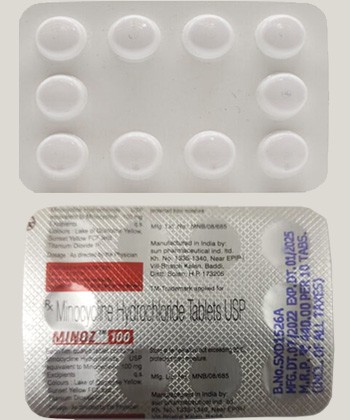
Minocin
- In our pharmacy, you can buy minocin without a prescription, with delivery in 5–14 days throughout Australia. Discreet and anonymous packaging.
- Minocin is used for the treatment of various bacterial infections, including acne vulgaris. It works by inhibiting bacterial protein synthesis, thereby stopping the growth of bacteria.
- The usual dosage of minocin for adults is an initial dose of 200 mg, followed by 100 mg every 12 hours, depending on the infection.
- The form of administration is oral capsules or IV injection.
- The effect of the medication begins within 1-2 hours for oral administration.
- The duration of action is approximately 12 hours.
- Do not consume alcohol while taking minocin as it may increase the risk of side effects.
- The most common side effect is nausea.
- Would you like to try minocin without a prescription?
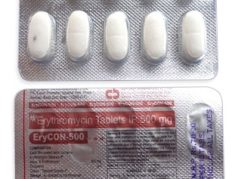
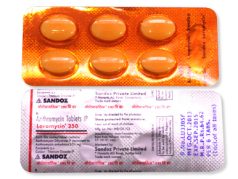
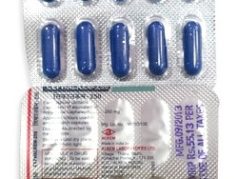
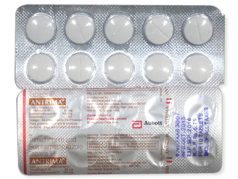
Basic Minocin Information
- INN (International Nonproprietary Name): Minocycline
- Brand names available in Australia: Akamin, Minocin
- ATC Code: J01AA08
- Forms & dosages: Capsules: 50 mg, 100 mg; IV injection: 100 mg/vial
- Manufacturers in Australia: iNova, Bausch, Pfizer, generic manufacturers
- Registration status in Australia: TGA approved
- OTC / Rx classification: Prescription Only (Rx)
Availability & Price Landscape
Finding Minocin can vary greatly depending on where one looks. Major pharmacy chains such as Chemist Warehouse, Priceline, and TerryWhite play significant roles in making this medication accessible across Australia. These pharmacies offer Minocin in urban locations, with many having online order capabilities. For those in rural areas, the accessibility might fluctuate; yet, most chains are expanding their delivery options to bridge any gaps.
Online Pharmacy Trends in Australia
The increasing popularity of online pharmacies has had a marked effect on the availability of Minocin. With telehealth appointments becoming more common, patients now have easier access to prescriptions without stepping foot inside a clinic. This trend allows individuals to conveniently buy Minocin prescription online, promoting timely treatment for conditions like acne.
Price Ranges by Package Size (PBS vs Private)
When examining the cost of Minocin, there’s a distinct difference between purchases under the Pharmaceutical Benefits Scheme (PBS) and private market settings. Prices can range quite substantially based on the package size:
In a PBS context:
- 50 mg capsules: typically more affordable
- 100 mg capsules: slightly higher but often subsidised.
In private market settings, the average prices can be less predictable, frequently governed by individual pharmacy pricing policies. It's essential to compare prices, especially if opting for a higher dosage. Overall, the usual price range for capsules can be anywhere from $20 to $80 depending on the dealer.
Patient Insights & Satisfaction Levels
Exploring feedback from Australian forums such as ProductReview provides insightful perspectives on patient satisfaction with Minocin. Many users have shared positive experiences, particularly in managing acne effectively. The ability of Minocin to significantly improve skin conditions tends to dominate user reviews.
Reported Benefits and Issues from Australian Patients
While there are plenty of success stories regarding Minocin's efficacy, some patients report side effects like nausea, dizziness, and gastrointestinal upset. Such issues highlight the importance of discussing potential minocycline side effects and contraindications with a healthcare provider prior to use. Understanding both the expected benefits and possible complications can lead to more personalised care for each individual.
Product Overview & Brand Variants
The International Nonproprietary Name (INN) for Minocin is Minocycline, and several brand names are marketed in Australia. Noteworthy brands include Akamin and Minocin, primarily available in capsule form. These medications offer flexibility in dosing and help cater to different patient needs.
Legal Classification (TGA-approved)
Minocin has received approval from the Therapeutic Goods Administration (TGA), designating it as a prescription-only item in all jurisdictions. Securing a prescription is vital for lawful acquisition, ensuring patients receive suitable guidance on usage.
Indications in Local Medical Practice
The TGA has authorised Minocin for several conditions, principally acne. Research supports its effectiveness, making it a first-line treatment for many individuals suffering from skin issues.
Off-Label Patterns in Australian Clinics
Aside from its approved uses, doctors have increasingly deployed Minocin off-label for various inflammatory conditions. This growth is backed by peer-reviewed studies showcasing its benefits beyond typical applications. Being aware of these practices can help patients better understand potential avenues for treatment.
How It Works in the Body
To simplify how Minocin operates within the body, think of it as a facilitator in battling infections. Much like a well-trained police force dispersing disturbances, Minocin effectively targets bacteria, inhibiting their growth and promoting healing.
Clinical Detail
The biochemical mechanism of action revolves around its ability to impede bacterial protein synthesis through inhibition of the ribosomal machinery. This disruption effectively results in reduced bacterial proliferation and yields advantageous outcomes for patients taking Minocin.
Dosage & Administration
For standard treatment regimens using Minocin, dosages vary based on the condition being treated. In cases such as infections, an initial dose of 200 mg may be instituted, followed by subsequent doses of 100 mg every 12 hours. When targeting acne, protocols generally suggest 50-100 mg daily.
Adjustments by Patient Type (Elderly, Chronic Conditions)
Special considerations are fundamental when adjusting dosage for diverse patient demographics. For the elderly, renal function should be closely monitored when determining doses. Patients with chronic conditions may need tailored adjustments, ensuring safe administration of Minocin. Consulting healthcare professionals remains critical for these adjustments.
⚠️ Contraindications & Side Effects
When considering the use of Minocin, it's crucial to understand both common and rare side effects experienced by users. In Australia, awareness is growing about the potential reactions associated with this antibiotic.
Common
For many patients, the journey with Minocin can lead to some manageable side effects. Users frequently report:
- Nausea
- Vomiting
- Diarrhoea
- Dyspepsia
- Dizziness or vertigo
- Headaches
- Photosensitivity, which implies a higher risk of sunburn
Especially in the Australian context, being mindful of sun exposure is vital, as photosensitivity can pose genuine risks when enjoying the outdoors.
Rare but serious (Australian safety data)
While most side effects are mild to moderate, serious adverse events can occur, and the local safety data highlights the importance of vigilance. Some rarer but concerning effects linked to Minocin include:
- Hepatotoxicity
- Severe allergic reactions such as anaphylaxis
- Skin conditions like Stevens-Johnson syndrome
Recent safety data from Australia indicated an increase in reporting of these severe effects, which necessitates thorough patient education and monitoring.
⚖️ Comparable Medicines
In considering alternatives to Minocin, various antibiotics come into focus. A comprehensive understanding of these options helps in making informed decisions regarding treatment.
Alternatives table (PBS and non-PBS)
| Medication | Dosage Forms | Efficacy |
|---|---|---|
| Doxycycline | Capsules: 100 mg | Effective for acne and respiratory infections |
| Tetracycline | Capsules: 250 mg | Used for bacterial infections |
| Lymecycline | Capsules: 408 mg | Primarily for acne treatment |
Pros and cons list
Choosing Minocin isn't always straightforward. Here’s a look at its strengths and weaknesses compared to other antibiotics:
- Pros: Generally well-tolerated, effective for acne, and useful in severe infections.
- Cons: Cost may be higher, risk of side effects, and potential interactions with other medications.
📈 Current Research & Trends
Ongoing research into Minocin sheds light on its evolving use in treating various conditions. Keeping abreast of these studies can guide treatment choices.
Major studies 2022–2025 (Australia + international)
Significant studies from both Australia and beyond have emerged, focusing on the efficacy of Minocin. Recent findings suggest:
- Exploration of Minocin’s use in chronic inflammatory conditions.
- Its role in antibiotic resistance discussions.
Internationally, researchers are assessing alternative delivery methods to enhance oral bioavailability, indicating an innovative future for Minocin therapies.
❓ Common Patient Questions
A myriad of questions often arises during pharmacy consultations regarding Minocin. Understanding these common queries can provide reassurance to patients.
FAQs from Australian pharmacy consultations
Patients frequently wish to know:
- How long will I need to be on Minocin?
- What are the possible side effects?
- What if I miss a dose?
Responses to these concerns help demystify treatment, clarify that durations depend on infection type, and remind patients to consult a pharmacist regarding missed doses.
📜 Regulatory Status
Minocin's standing can influence access and affordability. Knowledge of its approval and subsidy status is vital for patients.
TGA approval
The Therapeutic Goods Administration (TGA) has approved Minocin for use in Australia since its introduction. This regulatory oversight ensures its efficacy and safety for the public.
PBS subsidy details
Minocin is registered under the Pharmaceutical Benefits Scheme (PBS), which provides subsidised medication access for Australians. Patients benefit from lower costs for this essential treatment, promoting adherence and ensuring more people can access necessary care.
Visual Recommendations
Understanding the pricing and accessibility of Minocin can be daunting for patients. Infographics can bridge that knowledge gap. Here are some effective visual aids to consider:
Infographics: PBS pricing, pharmacy networks
Infographics can simplify complex information into clear, engaging visuals. For Minocin pricing and its availability, infographics should focus on:
- **Pricing Breakdown:** Create a clear visual showing the price range of Minocin across various pharmacies and include the Pharmaceutical Benefits Scheme (PBS) pricing for transparency.
- **Pharmacy Network Maps:** A visual map highlighting the pharmacies that stock Minocin, with specific labels for major cities, can help patients locate their nearest options.
- **Cost Comparisons:** Side-by-side comparisons of generic minocycline and Minocin, showcasing differences in price point, quantity, and forms available.
Visual representations make it easier for patients to grasp the essentials of Minocin pricing and accessibility, fostering informed decision-making.
Buying & Storage Advice
When it comes to securing Minocin, understanding the pros and cons of different purchasing methods is vital. This section offers practical tips for buying and storing Minocin.
In-store vs online purchase tips in Australia
Choosing the right place to buy Minocin, whether in person or online, involves knowing where to find reliable options:
- **Check with Local Pharmacies:** Visit or call local pharmacies to inquire about Minocin’s availability and pricing. This often reveals immediate options.
- **Online Purchasing:** Ensure the online pharmacy is legitimate. Look for pharmacies that require a prescription, as this ensures professional oversight.
- **Compare Prices:** Use online price-comparison tools to identify the best deals. This can help individuals save costs while ensuring they have access to the required medication.
Storage in Australian household conditions (heat/humidity)
Proper storage is crucial to maintain the efficacy of Minocin. Given Australia’s climate, consider the following guidelines:
- **Keep it cool:** Store Minocin below 25°C (77°F) to prevent degradation.
- **Avoid humidity:** Ensure the storage area is dry to minimise moisture exposure, which could affect the capsules.
- **Protect from light:** This medication should be stored in a dark place, away from direct sunlight.
Adhering to these storage guidelines can significantly enhance the shelf life of Minocin.
Guidelines for Proper Use
Using Minocin effectively requires a clear understanding of best practices, including professional advice from pharmacists and safety recommendations.
Pharmacist guidance in Australia
Pharmacists play a crucial role in advising patients on Minocin use. Key recommendations include:
- **Initial Dosing:** Generally, the advised starting dose is 200 mg, followed by 100 mg every 12 hours.
- **Adherence to Treatment Duration:** For conditions like acne, treatment may last several weeks to months, and continuous review is essential.
- **Monitor Side Effects:** Patients should be aware of common side effects like dizziness and gastrointestinal disturbances, reporting these to their healthcare provider if they occur.
Such professional insights ensure that Minocin is used appropriately and effectively, maximising its benefits.
Patient safety recommendations
Staying safe while using Minocin involves being mindful of certain precautions:
- **Know When to Seek Help:** If unusual symptoms arise, such as signs of hypersensitivity or severe nausea, contact a healthcare provider promptly.
- **Avoid Sun Exposure:** Due to the risk of photosensitivity with Minocin, patients should use sun protection while outdoors.
- **No Mixing with Certain Medications:** Avoid combining Minocin with medications that may cause adverse interactions, such as antacids containing aluminium or magnesium.
Keeping these safety measures in mind protects patients while they undergo treatment with Minocin.
Delivery Details for Minocin in Major Cities
| City | Region | Delivery Time |
|---|---|---|
| Sydney | NSW | 5–7 days |
| Melbourne | VIC | 5–7 days |
| Brisbane | QLD | 5–7 days |
| Perth | WA | 5–7 days |
| Adelaide | SA | 5–7 days |
| Canberra | ACT | 5–7 days |
| Hobart | TAS | 5–9 days |
| Darwin | NT | 5–9 days |
| Gold Coast | QLD | 5–9 days |
| Cairns | QLD | 5–9 days |
| Newcastle | NSW | 5–9 days |
| Wollongong | NSW | 5–9 days |
| Geelong | VIC | 5–9 days |