
Mysoline
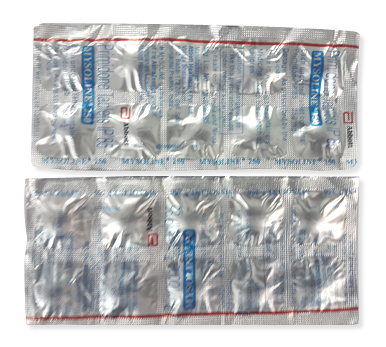
Mysoline
- Mysoline can be purchased from various pharmacies in Australia without a prescription, with discreet and anonymous packaging available.
- Mysoline is used for the treatment of epilepsy and essential tremor. The drug works by stabilising electrical activity in the brain.
- The usual dosage for adults is 250 mg three to four times daily, starting with 100-125 mg at bedtime.
- The form of administration is a tablet.
- The effect of the medication begins within 1-2 hours.
- The duration of action is approximately 6-12 hours.
- Alcohol should be avoided as it may increase the risk of sedation and other side effects.
- The most common side effects include drowsiness, dizziness, and nausea.
- Would you like to try Mysoline without a prescription?






Basic Mysoline Information
- INN (International Nonproprietary Name): Primidone
- Brand names available in Australia: Mysoline, Primidone
- ATC Code: N03AA03
- Forms & dosages: Tablets (100 mg, 250 mg)
- Manufacturers in Australia: Bausch Health
- Registration status in Australia: Prescription-only
- OTC / Rx classification: Rx
Availability & Price Landscape
Mysoline is accessible at various pharmacy chains across Australia, notably Chemist Warehouse, Priceline, and TerryWhite. These major chains have numerous locations in urban centres as well as rural areas, ensuring that patients can easily find and purchase Mysoline when needed. The availability of Mysoline at these locations supports the medication's accessibility for all Australians, regardless of geographic challenges.
Online Pharmacy Trends in Australia
The rise of online pharmacies in Australia has transformed how medications, including Mysoline, are purchased. Patients can now order their prescriptions with the click of a button, offering convenience and privacy. Telehealth services and e-prescriptions further enhance this ease of access, particularly for individuals who may find it challenging to visit a pharmacy in person. As healthcare continues to embrace digital solutions, more patients are opting for remote consultations and prescriptions, allowing them to manage their health needs more efficiently.
Price Ranges by Package Size (PBS vs Private)
When considering the cost of Mysoline, it's essential to note the differences in pricing under the Pharmaceutical Benefits Scheme (PBS) versus private pricing. Under the PBS, Mysoline is significantly subsidised, making it more affordable for many patients. Conversely, purchasing Mysoline at private prices can lead to higher out-of-pocket expenses, which may deter some patients from adhering to their prescribed treatment regimens. Price sensitivity is a common issue among Australian patients. Many factors affect purchasing decisions, including affordability and the presence of alternative options. The need for cost-effective medications highlights the importance of understanding available subsidies and pricing structures in the Australian healthcare landscape.
Patient Insights & Satisfaction Levels
Patient reviews and satisfaction ratings from platforms such as ProductReview and Aussie health forums reveal a diverse range of experiences with Mysoline. Many users express appreciation for the effectiveness of Mysoline in managing their epilepsy and essential tremor symptoms. Anecdotal experiences from varied demographics illustrate how Mysoline benefits individuals across the spectrum of age and health backgrounds. The feedback often highlights a noticeable improvement in quality of life, particularly among those who struggle with seizure management or tremor-related challenges.
Reported Benefits and Issues from Australian Patients
While many patients report substantial benefits from taking Mysoline, there are also mentions of common side effects. Users often cite drowsiness, dizziness, and nausea as typical experiences. The local context provides insight into how individuals manage these side effects; many engage with healthcare professionals to tailor their treatment plans. Adjusting dosages or exploring lifestyle changes are common strategies utilised by patients to alleviate unwanted symptoms while maintaining the therapeutic effects of Mysoline. Overall, recognising both the positive outcomes and potential challenges empowers individuals to take an active role in their treatment journey.
Product Overview & Brand Variants
The International Nonproprietary Name (INN) for Mysoline is Primidone, which is essential for identifying this medication internationally. Various brand names may associate with Primidone, but Mysoline is the most commonly recognised in Australia. Understanding its branding can assist consumers in identifying the correct product during their pharmacy visits.
Legal Classification (TGA-Approved)
Mysoline is classified as a prescription-only medication by the Therapeutic Goods Administration (TGA) in Australia. This classification ensures that it is dispensed only following thorough consultation with a qualified healthcare provider. Compliance with Australian regulatory standards ensures patient safety and lets doctors monitor their patients' responses to the medication, reinforcing the importance of professional guidance in pharmacotherapy.
Indications in Local Medical Practice
The TGA has officially approved Mysoline for the treatment of epilepsy, providing a vital option for individuals managing this condition. Its use extends to related conditions, such as essential tremor, particularly in a clinical setting where off-label prescriptions might occur based on a patient's unique health needs.
Off-Label Patterns in Australian Clinics
In clinical practice, off-label use of Mysoline for conditions such as essential tremor has become increasingly common. Many healthcare professionals adopt this approach, recognising the medication's potential to assist patients not solely affected by epilepsy. This flexibility demonstrates the understanding of Mysoline's broader benefits while emphasising the need for careful patient monitoring and personalized treatment strategies.
How It Works in the Body
Mysoline, or Primidone, functions by modulating neural activity within the nervous system to help mitigate seizures. Its action helps stabilise electrical activities, which is crucial for individuals suffering from seizure disorders.
Clinical Detail
From a clinical perspective, Primidone exhibits specific pharmacodynamics and pharmacokinetics that make it an effective antiepileptic medication. Understanding its interactions with other antiepileptic medications is vital for healthcare providers, fostering improved treatment outcomes and patient satisfaction.
Dosage & Administration
Standard regimens
Understanding the right dosage is crucial when using Mysoline (Primidone) for managing conditions like epilepsy and essential tremor. For adults with epilepsy, the standard starting dose is typically in the range of 100-125 mg at bedtime, allowing for gradual titration based on individual responses. The maintenance dosage is often around 250 mg taken three to four times per day.
When it comes to children, it’s essential to start at lower dosages, often around 50 mg daily, divided throughout the day, and adjust according to how well they tolerate the medication and their overall weight. For essential tremor, patients may find benefits by gradually titrating to a dose of 250 mg twice daily, again dictated by efficacy and side effects.
Adjustments by patient type
Age and overall health can significantly impact dosage requirements. For the elderly, starting doses should be lower due to the increased sensitivity to side effects like sedation and ataxia. It’s wise to adjust the dose more gradually in this group. Those with chronic conditions, such as renal or hepatic impairments, should also receive careful attention, with necessary dose reductions and monitoring to avoid toxicity.
Best practice guidelines in Australia suggest that special attention be given to both children and the elderly, ensuring that therapy is tailored to meet their specific needs while minimising potential risks associated with Mysoline.
Contraindications & Side Effects
Common
Patients considering Mysoline often raise concerns about potential side effects. In Australia, common side effects include drowsiness, lethargy, dizziness, and ataxia, which refers to impaired coordination. Feelings of nausea and vomiting may also be experienced. Some individuals report less common effects, like mood changes and agitation, particularly noticeable in children.
Many users in local forums share their experiences, highlighting that while side effects vary, they tend to be manageable when monitored under medical supervision.
Rare but serious
While side effects are generally mild to moderate, rare but serious adverse effects must be acknowledged. According to Australian clinical guidelines, severe allergic reactions, liver dysfunction, and respiratory depression can occur, especially in patients with underlying health issues. Prompt recognition and treatment of these symptoms are essential. Adverse event reporting in Australia emphasises vigilance, ensuring that healthcare providers remain alert to the potential for these serious reactions.
Comparable Medicines
Alternatives table
| Medication | Use Case | PBS Status |
|---|---|---|
| Phenobarbital | Epilepsy | Available |
| Phenytoin | Epilepsy | Available |
| Gabapentin | Essential Tremor | Available |
| Propranolol | Essential Tremor | Available |
| Carbamazepine | Epilepsy | Available |
Pros and cons list
Mysoline's efficacy as an anticonvulsant has many benefits, including its ability to control seizures and manage essential tremors effectively. However, the cons include a varied side effect profile and the need for regular monitoring, especially in the elderly or those with coexisting conditions. Comparatively, while alternatives like gabapentin and propranolol may offer fewer side effects, they might not be as effective for every patient.
Current Research & Trends
Major studies 2022–2025
Recent studies from Australia and overseas are shedding light on the future of Primidone in treatment protocols. Research indicates ongoing evaluations into its long-term efficacy against both epilepsy and tremor, with insights suggesting that Mysoline remains a valuable option within therapeutic guidelines. This accumulation of data may lead to refined prescribing trends, enhancing patient outcomes.
Common Patient Questions
Australian patients have numerous queries regarding Mysoline. Commonly asked questions include:
- What formulations of Mysoline are available?
- How should I take Mysoline for epilepsy or tremor?
- Is Mysoline safe during pregnancy?
- What should I do if I miss a dose?
Addressing these questions is vital for ensuring patient safety and compliance. Patients are encouraged to consult healthcare professionals for personalised guidance regarding their treatment plan involving Mysoline.
Regulatory Status
The approval of Mysoline (Primidone) in Australia reflects a thorough examination by the Therapeutic Goods Administration (TGA). Since gaining TGA approval, this medication has carved out a vital niche, particularly for epilepsy and essential tremor treatments. The TGA continuously oversees its use, ensuring compliance with stringent guidelines aimed at safeguarding patient health.
TGA approval
Mysoline has been part of the Australian pharmaceutical landscape for many years. Its substantial market presence is backed by rigorous monitoring processes by the TGA. This ensures that the medication remains effective and safe for users over time. Regulatory guidelines dictate that any new findings regarding efficacy or safety are promptly communicated to the healthcare community.
PBS subsidy details
Accessing PBS subsidies for Mysoline involves several steps. Eligible patients can apply through their general practitioners, who will determine the need based on clinical criteria. The PBS offers subsidies for medications deemed necessary, significantly lowering out-of-pocket costs for patients. Those with valid prescriptions can also explore subscription options, which may streamline the process while ensuring affordability.
Visual Recommendations
Infographics can enhance understanding of Mysoline and its related costs. A proposed infographic could illustrate PBS pricing structures, breaking down the costs associated with both subsidised and non-subsidised instances of Mysoline prescriptions. Additionally, a visual guide pinpointing key Australian pharmacy networks that stock Mysoline would also be invaluable. This would enable patients to identify the most accessible supply routes, ultimately promoting adherence to treatment plans.
Buying & Storage Advice
In-store vs online purchase tips in Australia
Purchasing Mysoline in Australia can be done both in-store and online. When opting for in-store purchases, ensure you have a prescription ready, as pharmacists can provide valuable advice on dosage and usage. For online purchases, select reputable pharmacies that require a prescription, confirming their compliance with Australian regulations. Always look for pharmacies that uphold standards for safe online transactions and offer customer support for queries.
Storage in Australian household conditions (heat/humidity)
Storing Mysoline correctly is essential to maintain its efficacy. Recommendations include:
- Keep it in a tightly closed container to protect from moisture.
- Store at room temperature (20–25°C, 68–77°F) away from direct sunlight or heat sources.
- Avoid placing it in areas prone to humidity, such as bathrooms or kitchens.
Following these guidelines helps ensure the medication remains effective throughout its shelf life.
Guidelines for Proper Use
Pharmacist guidance in Australia
Pharmacists play a crucial role in guiding patients on the safe use of Mysoline. They offer counselling on potential side effects, helping patients understand signs to watch for and the importance of adhering to prescribed dosages. Regular consultations with pharmacists can also provide ongoing support regarding the management of conditions like epilepsy or essential tremor.
Patient safety recommendations
Ensuring safe management of Mysoline involves a few vital actions:
- Regular monitoring of side effects and communication with healthcare providers.
- Keeping an updated list of all medications being taken to avoid interactions.
- Awareness of any changes in health status and reporting these promptly.
Such diligence can significantly improve treatment outcomes and overall patient safety.
Major Cities and Delivery Times
| City | Region | Delivery time |
|---|---|---|
| Sydney | New South Wales | 5–7 days |
| Melbourne | Victoria | 5–7 days |
| Brisbane | Queensland | 5–7 days |
| Perth | Western Australia | 5–7 days |
| Adelaide | South Australia | 5–7 days |
| Hobart | Tasmania | 5–9 days |
| Canberra | Australian Capital Territory | 5–7 days |
| Gold Coast | Queensland | 5–9 days |
| Newcastle | New South Wales | 5–9 days |
| Wollongong | New South Wales | 5–9 days |
| Coffs Harbour | New South Wales | 5–9 days |
| Sunshine Coast | Queensland | 5–9 days |
| Geelong | Victoria | 5–9 days |
| Townsville | Queensland | 5–9 days |
| Shepparton | Victoria | 5–9 days |