
Oxybutynin

Oxybutynin
- Oxybutynin can be purchased in pharmacies throughout Australia without a prescription, with discreet and anonymous packaging available.
- Oxybutynin is used for the treatment of overactive bladder and urge incontinence. The drug works by relaxing the bladder muscles to reduce urinary frequency and urgency.
- The usual dosage for adults is 5 mg taken orally 2–3 times daily for immediate-release forms, with a maximum of 20 mg/day. For extended-release, it is typically 5–10 mg once daily, titratable up to 30 mg/day.
- Oxybutynin is available in tablet, syrup, transdermal patch, and topical gel forms.
- The onset time for oxybutynin can vary, but effects may be felt within 1–2 hours after oral administration.
- The duration of action can last up to 24 hours, particularly with extended-release forms.
- It’s advised to avoid alcohol while taking oxybutynin, as it can increase the risk of side effects.
- The most common side effect is dry mouth.
- Would you like to try oxybutynin without a prescription?
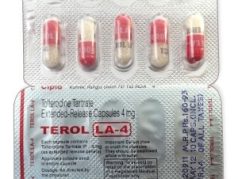
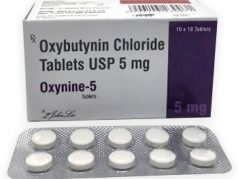

Basic Oxybutynin Information
- INN (International Nonproprietary Name): Oxybutynin
- Brand Names Available in Australia: Ditropan, Ditropan XL, Oxytrol
- ATC Code: G04BD04
- Forms & Dosages: Tablets (2.5 mg, 5 mg), Extended-release tablets (5 mg, 10 mg, 15 mg), Transdermal Patch (3.9 mg/24h)
- Manufacturers in Australia: Various including Sanofi and Janssen
- Registration Status in Australia: Approved
- OTC / Rx Classification: Prescription Only (Rx)
Availability & Price Landscape
Oxybutynin is readily available across major Australian pharmacy chains such as Chemist Warehouse, Priceline, and TerryWhite Chemmart. These retailers typically stock a variety of formulations such as immediate-release tablets, extended-release variants, and transdermal patches. Pricing can vary widely based on the form and the pharmacy, but many of these chains offer competitive rates, particularly for generic versions.Online Pharmacy Trends in Australia
The shift towards online pharmacies has become more noticeable, especially with the increasing acceptance of e-prescriptions during the COVID-19 pandemic. Platforms like Chemist Warehouse’s website allow Australians to conveniently purchase oxybutynin and benefit from home delivery services. This accessibility has made it easier for patients to manage their prescriptions without needing to visit a physical pharmacy.Price Ranges by Package Size (PBS vs Private)
When looking at oxybutynin's pricing structure, significant differences emerge between Pharmaceutical Benefits Scheme (PBS) subsidised products and private purchases. Patients accessing oxybutynin through the PBS can generally expect out-of-pocket costs around $40 per prescription. On the other hand, those purchasing privately may find prices exceeding $90, depending on the specific formulation and package size. This variability highlights the importance of consulting with healthcare providers to explore cost-effective options.Patient Insights & Satisfaction Levels
Patient forums, such as ProductReview and several Australian health platforms, reveal a wide range of experiences regarding oxybutynin. Many users report substantial improvements in urge incontinence, indicating that the medication significantly enhances their quality of life. Positive feedback frequently points to the effectiveness of the patch and gel forms, especially when compared to oral tablets, which are associated with more side effects.Reported Benefits and Issues from Australian Patients
While a majority express satisfaction with oxybutynin, some patients report experiencing side effects like dry mouth and drowsiness. This variability can lead to mixed reviews on its effectiveness. Moreover, a few users have noted challenges with dosage management, particularly among elderly patients. Additionally, concerns regarding limited availability in rural areas spotlight the need for increased awareness and access to this medication across Australia.Product Overview & Brand Variants
Oxybutynin, recognised globally under its International Nonproprietary Name (INN), is available in various formulations within Australia. The most common brand names include Ditropan and Ditropan XL, along with the transdermal Oxytrol patch, catering to different patient preferences and treatment needs. As a prescription medication, oxybutynin is governed by the Therapeutic Goods Administration (TGA), ensuring that patients receive professional guidance about potential side effects and contraindications.Legal Classification (TGA-Approved)
The Therapeutic Goods Administration (TGA) has classified oxybutynin as a prescription-only medication. This classification emphasises the importance of patient education about its proper usage, underlining the need for appropriate medical supervision to mitigate risks associated with the medication.Indications in Local Medical Practice
In Australia, oxybutynin is primarily indicated for the treatment of overactive bladder and urinary incontinence. The TGA acknowledges its effectiveness in managing symptoms that can significantly impact daily life, thus improving overall quality of life for those affected.Off-Label Patterns in Australian Clinics
Some clinics in Australia also prescribe oxybutynin off-label for conditions such as hyperhidrosis, or excessive sweating. This off-label use stems from anecdotal evidence highlighting the effectiveness of topical formulations, indicating a broader therapeutic potential beyond its primary indications. The versatility of oxybutynin makes it an interesting subject for ongoing research and patient application.How It Works in the Body
Oxybutynin operates by blocking specific signals within the nervous system, thereby aiding in the relaxation of bladder muscles. This action effectively reduces the frequency and urgency with which patients need to urinate, which is particularly beneficial for those suffering from overactive bladder. It essentially provides relief from a condition that can severely disrupt daily life.Layman’s Explanation
Patients should recognise that oxybutynin plays a crucial role in managing bladder control. By inhibiting certain nerve signals, it allows for better management of urinary urgency and frequency experienced by many.Clinical Detail
From a clinical perspective, oxybutynin belongs to the anticholinergic class of medications. Its action involves inhibiting the activity of acetylcholine at muscarinic receptors within the bladder, thereby lessening involuntary contractions. This not only alleviates symptoms of urge incontinence but also enhances the user's ability to maintain bladder control effectively.Dosage & Administration
When it comes to standard dosing, most adults start with 5 mg of oxybutynin taken two to three times daily for immediate-release formulations. Extended-release variants typically begin at 5–10 mg once daily, with the option to adjust upwards to 30 mg based on an individual's response and tolerability.Adjustments by Patient Type (Elderly, Chronic Conditions)
For elderly patients and those with liver or kidney issues, lower starting doses are recommended to monitor tolerance and sidestep potential side effects. In particular, elderly individuals may start with reduced dosages, ensuring careful monitoring due to their higher risk of experiencing central nervous system effects.⚠️ Contraindications & Side Effects
Common
Patients taking oxybutynin may encounter several common side effects that can impact their daily activities and adherence to treatment. Notable among these are:
- Dry mouth
- Constipation
- Fatigue
- Dizziness
While these effects often diminish with continued use, they can deter some individuals from completing their prescribed treatment. Therefore, fostering ongoing patient education is crucial to navigating these challenges effectively.
Rare but serious (Australian safety data)
Less commonly, oxybutynin may cause serious side effects, such as confusion or hallucinations. These occurrences are particularly concerning in vulnerable groups, including older adults. Australian safety data highlight the necessity of careful patient selection and ongoing monitoring for those with pre-existing conditions. Ensuring patient safety with oxybutynin is paramount, especially given the potential for adverse reactions such as urinary retention.
⚖️ Comparable Medicines
Alternatives table (PBS and non-PBS)
| Alternative Medication | Form | PBS Subsidised | Notes |
|---|---|---|---|
| Tolterodine (Detrusitol) | Tablets | Yes | Similar anticholinergic effects |
| Solifenacin (Vesicare) | Tablets | Yes | Less sedation |
| Mirabegron (Myrbetriq) | Tablets | Yes | Different mechanism of action |
| Fesoterodine (Toviaz) | Tablets | Yes | Extended-release options available |
Pros and cons list
Considering alternatives to oxybutynin offers diverse options catering to various patient preferences:
- Pros: Multiple medications available, suiting individual needs.
- Cons: Some alternatives can entail a higher risk of side effects.
📈 Current Research & Trends
Major studies 2022–2025 (Australia + international)
Recent studies have assessed the efficacy of oxybutynin for treating conditions like overactive bladder in both adults and children. The outcomes of research expected in 2025 will provide further insights into long-term effects and comparisons with newer medications like mirabegron, influencing prescription practices in Australia and globally.
Emerging trends in medication use
There’s a growing inclination towards using transdermal and topical formulations of oxybutynin. These methods are gaining traction due to reduced systemic exposure and a lower incidence of anticholinergic side effects, making them especially appealing to older adults.
❓ Common Patient Questions
FAQs from Australian pharmacy consultations
- How long does it take for oxybutynin to work? Most patients begin to experience relief within a few days following initiation of treatment.
- Does oxybutynin cause weight gain? While some individuals report changes in weight, the experiences vary significantly among users.
- Should oxybutynin be taken at night? Dosage timing is best determined by a healthcare professional’s advice, although some patients may adjust based on their comfort and side effects.
📜 Regulatory Status
TGA approval
Oxybutynin holds approval from the Therapeutic Goods Administration (TGA) for prescription use in Australia. This thorough evaluation ensures that the medication meets established safety and efficacy standards before becoming accessible to the public.
PBS subsidy details
Eligible patients can obtain oxybutynin through the Pharmaceutical Benefits Scheme (PBS), facilitating access at a significantly reduced cost. To qualify for this subsidy, individuals typically undergo a comprehensive evaluation by healthcare professionals, which aids in delivering optimal treatment outcomes.
Visual Recommendations
Understanding the options available for oxybutynin, including pricing and pharmacy networks, can be overwhelming for many patients. Infographics serve as a useful tool, simplifying complex information into easily digestible formats. For instance, an oxybutynin infographic can visually present the PBS pricing structure, showing how much patients can expect to pay depending on their circumstances.
Moreover, a pharmacy selection guide can highlight which pharmacies stock oxybutynin, displaying their locations and pricing strategies. Infographics can help navigate the benefits of different formulations like extended-release tablets versus patches, clarifying choices for patients with varying needs such as overactive bladders or hyperhidrosis.
With clear visuals, patients can feel more equipped to select the right pharmacy or type of oxybutynin that fits their lifestyle and budget. Simplified representations make informed choices less daunting and contribute to better health outcomes.
Buying & Storage Advice
In-store vs online purchase tips in Australia
Purchasing oxybutynin offers two main avenues: in-store and online. Each has its pros and cons.
- In-store purchases allow for direct consultation with knowledgeable pharmacists who can answer questions about oxybutynin.
- Online options offer convenience, often with the ability to compare prices across multiple pharmacies.
It’s crucial to verify the legitimacy of online pharmacies and ensure that a prescription is required to avoid counterfeit medications. Always be cautious and opt for trusted sites with good reviews.
Storage in Australian household conditions (heat/humidity)
Oxybutynin requires careful attention when it comes to storage to maintain its effectiveness. Ideally, keep oxybutynin in a cool, dry place, specifically below 25°C, and shield it from moisture and direct sunlight.
Particular care is necessary in hotter climates, which can affect the medication's integrity. To ensure safety and efficacy, check storage conditions regularly and keep it out of reach of children.
Guidelines for Proper Use
Pharmacist guidance in Australia
When using oxybutynin, consulting with a pharmacist is essential. They provide insights on proper usage, including potential side effects such as dry mouth, constipation, and dizziness. Educated discussions can greatly enhance safe medication management.
Patient safety recommendations
For effective management, patients must adhere strictly to prescribed dosages. Regular follow-ups to reassess treatment plans play a crucial role in ongoing wellbeing.
- If a dose is missed, take it as soon as remembered, unless close to the next dose; in that case, skip it.
- Never double up on doses to compensate for missed ones.
Being informed about the importance of following these protocols is vital for successfully managing conditions treated by oxybutynin.
| City | Region | Delivery Time |
|---|---|---|
| Sydney | New South Wales | 5–7 days |
| Melbourne | Victoria | 5–7 days |
| Brisbane | Queensland | 5–7 days |
| Adelaide | South Australia | 5–7 days |
| Perth | Western Australia | 5–7 days |
| Hobart | Tasmania | 5–9 days |
| Canberra | Australian Capital Territory | 5–7 days |
| Gold Coast | Queensland | 5–9 days |
| Newcastle | New South Wales | 5–9 days |
| Cairns | Queensland | 5–9 days |
| Townsville | Queensland | 5–9 days |
| Geelong | Victoria | 5–9 days |
| Wollongong | New South Wales | 5–9 days |