
Retin-a Gel
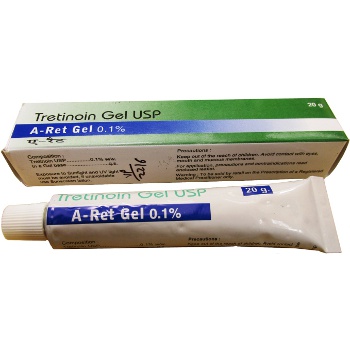
Retin-a Gel
- In our pharmacy, you can buy retin-a gel without a prescription, with delivery in 5–14 days throughout Australia. Discreet and anonymous packaging.
- Retin-a gel is used for the treatment of acne vulgaris and photoaging. Its active ingredient, tretinoin, works by promoting cell turnover and preventing the formation of new acne lesions.
- The usual dosage for acne is to apply a thin layer once daily, typically at bedtime.
- The form of administration is topical, applied as a gel or cream.
- The effect of the medication begins within 2–4 weeks, although initial acne may worsen before improvement.
- The duration of action can last several hours, but visible benefits may take weeks to months.
- Do not consume alcohol while using this medication to avoid increased risk of skin irritation.
- The most common side effects include redness, peeling, dryness, and a burning sensation.
- Would you like to try retin-a gel without a prescription?
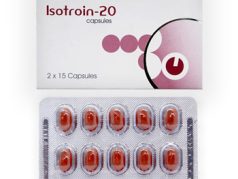
Basic Retin-A Gel Information
- INN (International Nonproprietary Name): Tretinoin
- Brand names available in Australia: Retin-A, various generics
- ATC Code: D10AD01
- Forms & dosages: Gels (0.01%, 0.025%), creams (0.025%, 0.05%, 0.1%)
- Manufacturers in Australia: Janssen Pharmaceuticals, Glenmark, Actavis
- Registration status in Australia: Prescription-only
- OTC / Rx classification: Prescription Only (Rx)
Availability & Price Landscape
The search for Retin-A gel can lead you through various options and retailers across Australia. When it comes to national pharmacy chains, major names like Chemist Warehouse, Priceline, and TerryWhite have made significant strides to keep this medication in stock. Chemist Warehouse typically offers multiple strengths of Retin-A gel, including 0.025% and 0.05%. Most stores provide easy access to these options, ensuring customers can find the most suitable strength for their skincare needs.
Online Pharmacy Trends In Australia
The rise of online pharmacies is revolutionising how patients access medications. Many find that ordering Retin-A gel online not only enhances convenience but can also lead to competitive pricing. This trend caters to those who may prefer discretion and ease over in-store shopping.
Price Ranges By Package Size (PBS vs Private)
When considering purchasing Retin-A gel, it's crucial to understand the price landscape. Under the Pharmaceutical Benefits Scheme (PBS), patients can typically access more affordable prices for product packages. This scheme significantly reduces costs compared to private sales, where prices can vary widely depending on the retailer. On average, PBS options may range from $30 to $60 depending on the concentration, whereas private sales could push costs up to $100 or more. This disparity emphasises the importance of knowing which option suits one's budget and healthcare needs.
Patient Insights & Satisfaction Levels
Forum Reviews (ProductReview, Aussie Health Forums)
Feedback from online forums offers valuable insights into the patient experience with Retin-A gel. Many users highlight the positive impacts, such as clearer skin and reduced breakouts. ProductReview and local health forums reveal that some users report initial skin irritation, but often note that this subsides as skin adjusts. The community shares tips on managing side effects, making this an excellent resource for new users.
Reported Benefits and Issues From Australian Patients
An analysis of patient reviews showcases numerous benefits associated with Retin-A gel, particularly its efficacy in treating acne. Many individuals find it effective for achieving clearer skin over several weeks. However, common side effects like dryness, redness, and peeling are often mentioned. Satisfaction levels vary, with numerous users feeling that the initial discomfort is worth the long-term skin improvements.
Product Overview & Brand Variants
INN And Brand Names In Australia
In Australia, the International Nonproprietary Name (INN) for Retin-A gel is Tretinoin. This medication is widely recognised under various brand names, with Retin-A being the most prominent. Other generics are also available, providing patients with options and price relief.
Legal Classification (TGA-Approved)
As a prescription-only medication, Retin-A gel is strictly regulated by the Therapeutic Goods Administration (TGA) in Australia. This classification ensures that patients receive proper guidance and supervision while using the product, highlighting its status as a medication that must be prescribed by a healthcare professional.
Indications In Local Medical Practice
Approved Uses By TGA
The TGA has approved Retin-A gel primarily for acne treatment. Dermatologists often recommend it for patients experiencing moderate to severe acne, asserting its effectiveness in managing this common skin condition.
Off-Label Patterns In Australian Clinics
Beyond its approved use, Retin-A gel is occasionally applied off-label for skin conditions such as photoaging and improving skin texture. Dermatologists may suggest it for patients looking to enhance overall skin appearance, showcasing its versatility in skincare.
How It Works In The Body
Layman’s Explanation
Retin-A gel works by promoting cell turnover in the skin, helping to clear clogged pores and reduce acne. Its active ingredient, Tretinoin, encourages the shedding of dead skin cells, keeping skin looking fresh and reducing the formation of new blemishes.
Clinical Detail
At a cellular level, Tretinoin functions by binding to specific receptors in skin cells, increasing the production of new cells while promoting the natural exfoliation process. This mechanism is vital in the treatment of acne, as it not only reduces existing spots but also prevents the emergence of new lesions over time. Through these actions, Retin-A gel has established itself as a key player in acne management.
Dosage & Administration
Understanding how to properly use Retin-A gel can be a game changer for many dealing with acne and skin issues. Getting the dosage right is crucial, ensuring effectiveness while minimising side effects. Pharmacy consultations often reveal common questions and concerns around dosing, especially for new users.
Standard regimens
Retin-A gel, also known as Tretinoin, has defined standard regimens based on clinical guidelines. The typical recommendation is:
- Apply a thin layer of 0.025% gel to affected areas once daily at bedtime.
- This regimen may need to be adjusted based on skin tolerance and response.
- Initial improvement can take several weeks, with some users experiencing acne worsening before it improves.
Adjustments by patient type
Different patient types may require special considerations when using Retin-A gel. For children aged 12 and older, a lower concentration is preferred due to their sensitive skin. Elderly patients, while typically not needing dosage adjustments, may also exhibit increased sensitivity. Starting with a lower strength can help mitigate irritation. For those with pre-existing conditions such as liver or kidney impairment, although systemic absorption is minimal, it’s advised to monitor closely for any adverse effects. Sensitive skin? It’s often wise to start with lower concentrations or apply the gel every other night until the skin adjusts. Always consult with a healthcare professional for personalised advice.
Contraindications & Side Effects
Despite the benefits, being aware of potential contraindications and side effects is vital when considering Retin-A gel. Ensuring safety for all users is paramount.
Common
Users often report a range of mild side effects that are generally manageable:
- Redness and peeling of the skin.
- Dryness and burning sensations.
- Tingling, especially in the initial weeks of treatment.
These issues usually diminish as the skin adjusts to the medication. It’s advisable to consult a healthcare provider if side effects become moderate to severe.
Rare but serious
While common side effects tend to be mild, rarer, serious side effects have been noted in safety data from Australia. These may include:
- Severe blistering or swelling.
- Unusual skin reactions requiring immediate medical attention.
Staying informed about these rarities is essential, particularly for those with sensitive skin or other complicating factors.
Comparable Medicines
Understanding your options can empower informed decisions about skincare.
Alternatives table
| Medicine | Type | Availability |
|---|---|---|
| Adapalene (Differin) | Topical retinoid | Prescription and over-the-counter |
| Tazarotene (Tazorac) | Topical retinoid | Prescription only |
| Benzoyl Peroxide | Antimicrobial agent | Over-the-counter |
| Azelaic acid | Topical agent | Prescription and over-the-counter |
Pros and cons list
Considering Retin-A gel against its competitors reveals various advantages and potential drawbacks:
- Pros: Effective for acne, improves skin texture, aids in reducing fine lines.
- Cons: Initial irritation, price may be higher than alternatives.
Choosing the right treatment should involve weighing these factors carefully, ideally in consultation with a healthcare professional.
Current Research & Trends
The landscape of dermatological treatments is continuously evolving through research. Recent studies from 2022 to 2025 are shedding light on the effectiveness and safety of Tretinoin in various applications beyond traditional acne treatments, including anti-aging implications and strategies for managing severe skin conditions.
Major studies 2022–2025
Ongoing research highlights promising outcomes in both Australian and international frameworks, with focus directed at:
- Long-term effects of Tretinoin in varying concentrations.
- Comparative studies assessing efficacy against newer agents like Adapalene.
- Trends in patient adherence and overall satisfaction with treatments.
These studies aim to refine protocols and provide enhanced safety profiles for patients using Retin-A gel and similar medications.
Common Patient Questions
Pharmacy consultations often involve patients asking key questions about their medications. Knowledge is crucial.
FAQs from Australian pharmacy consultations
Some frequently asked questions include:
- How quickly can improvements be seen?
- What should I do if I experience irritation?
- Can I use other products with Retin-A gel?
Such inquiries represent common concerns, with clear communication helping to alleviate worries and foster a better understanding of treatment regimens. Seeking guidance from a pharmacist can ensure safe and effective use of Retin-A gel.
Regulatory Status
The regulatory status of Retin-A gel is pivotal in understanding its availability and accessibility in Australia. This topical retinoid is strictly controlled, ensuring that it’s used safely and effectively under medical guidance.
TGA approval
The Therapeutic Goods Administration (TGA) oversees the approval process for Retin-A gel, requiring comprehensive evaluation regarding its safety, quality, and efficacy. Potential side effects, interaction profiles, and testing on various skin types are considered before approval. Only after meeting these stringent criteria can the product be prescribed to patients.
PBS subsidy details
Retin-A gel benefits from subsidy under the Pharmaceutical Benefits Scheme (PBS). This lowers the out-of-pocket expense for eligible patients. Generally, to qualify for this subsidy, patients must have a prescription from a registered medical professional, targeting specific conditions like acne. Regular reviews ensure that only those in genuine medical need can obtain financial assistance.
Visual Recommendations
Using infographics can effectively communicate the nuances of Retin-A gel, specifically regarding its pricing structures and availability within Australia. Visual elements should highlight key points such as:
- Comparative prices of Retin-A gel across various pharmacies.
- Illustrations of local pharmacy networks where the product is accessible.
- Infographics detailing the subsidies under the PBS.
Buying & Storage Advice
For many, the purchasing journey of Retin-A gel involves navigating both physical and online marketplaces. Understanding these channels can save time and ensure product integrity.
In-store vs online purchase tips in Australia
When looking to buy Retin-A gel, consider these practical tips:
- Check local pharmacies first, as they often have the product readily available.
- Online purchases can provide convenience, but ensure the supplier is reputable.
- Compare prices online to ensure you’re getting the best deal possible.
- Always consult with a pharmacist, whether purchasing in-store or online, to discuss possible interactions and the best concentration for your skin type.
Storage in Australian household conditions
To maintain the efficacy of Retin-A gel, proper storage is crucial, especially considering Australia’s varied climate.
- Store in a cool, dry place at room temperature, ideally between 20–25°C.
- Avoid areas with high humidity like bathrooms to prevent degradation of the product.
- Keep the tube tightly closed to exclude air and moisture, which could compromise the gel’s effectiveness.
Guidelines for Proper Use
Using Retin-A gel effectively requires understanding its application and following safety guidelines.
Pharmacist guidance in Australia
Healthcare professionals, especially pharmacists, are key sources of guidance on how to use Retin-A gel correctly:
- Apply a thin layer to affected areas once daily, usually at bedtime.
- Pace the use, especially for first-timers, allowing the skin to adjust.
- Monitor skin sensitivity and consult with a pharmacist if irritation occurs.
Patient safety recommendations
Ensuring safety while using Retin-A gel is critical. Follow these comprehensive guidelines to minimise risks:
- Adhere strictly to the prescribed usage instructions.
- Use sunscreen during the day to protect the skin, as Retin-A can increase sensitivity to sunlight.
- Discuss any persistent side effects with a healthcare professional.
- Do not combine with other harsh skin treatments unless advised.
Shipping Information
| City | Region | Delivery time |
|---|---|---|
| Sydney | New South Wales | 5–7 days |
| Melbourne | Victoria | 5–7 days |
| Brisbane | Queensland | 5–7 days |
| Adelaide | South Australia | 5–7 days |
| Perth | Western Australia | 5–7 days |
| Hobart | Tasmania | 5–9 days |
| Canberra | Australian Capital Territory | 5–7 days |
| Darwin | Northern Territory | 5–9 days |
| Gold Coast | Queensland | 5–7 days |
| Newcastle | New South Wales | 5–7 days |
| Central Coast | New South Wales | 5–9 days |
| Geelong | Victoria | 5–9 days |
| Cairns | Queensland | 5–9 days |